You do not notice household paperwork when everything is working. You notice it when a washer breaks, a warranty deadline is coming up, or you need a model number you know you wrote down somewhere. That is where a household document organizer earns its place. It is less about filing for the sake of filing and more about making everyday home management easier when real life gets busy.
For most households, the problem is not a lack of effort. It is that information ends up scattered. A warranty lives in an email inbox, a user manual is buried in a kitchen drawer, a service receipt is saved as a photo, and the installer contact details are sitting in old texts. Each piece seems manageable on its own. Together, they create friction, and that friction shows up right when you need quick answers.
What a household document organizer actually does
A good household document organizer gives your home records one clear system. Instead of keeping paperwork by format, like paper in a folder and digital files in random apps, you organize by item and use case. That means your refrigerator information stays with its warranty, receipt, model number, maintenance notes, and provider details. The same logic works for water heaters, air conditioners, leases, paint colors, and homeowner documents.
This sounds simple, and it is. That is the point. A system only works if you can keep using it without turning it into a project. The best setup reduces the number of places you have to check and cuts down the mental load of remembering what is stored where.
There is also a practical difference between storing documents and organizing them. Storage is passive. Organization makes records searchable, connected, and usable. If you can find the right file in seconds and know whether it is current, your system is doing its job.
Why paper folders usually stop working
Paper filing systems still have value, especially for original documents you want to keep in a safe place. But for routine home records, paper-only systems tend to break down because life moves faster than filing habits. Receipts come by email. Warranties are registered online. Manuals are digital. Service confirmations arrive by text.
A household document organizer needs to match how information actually shows up now. If your system depends on printing, sorting, hole-punching, and putting things away perfectly, it usually falls behind. Once that happens, the pile on the counter starts again.
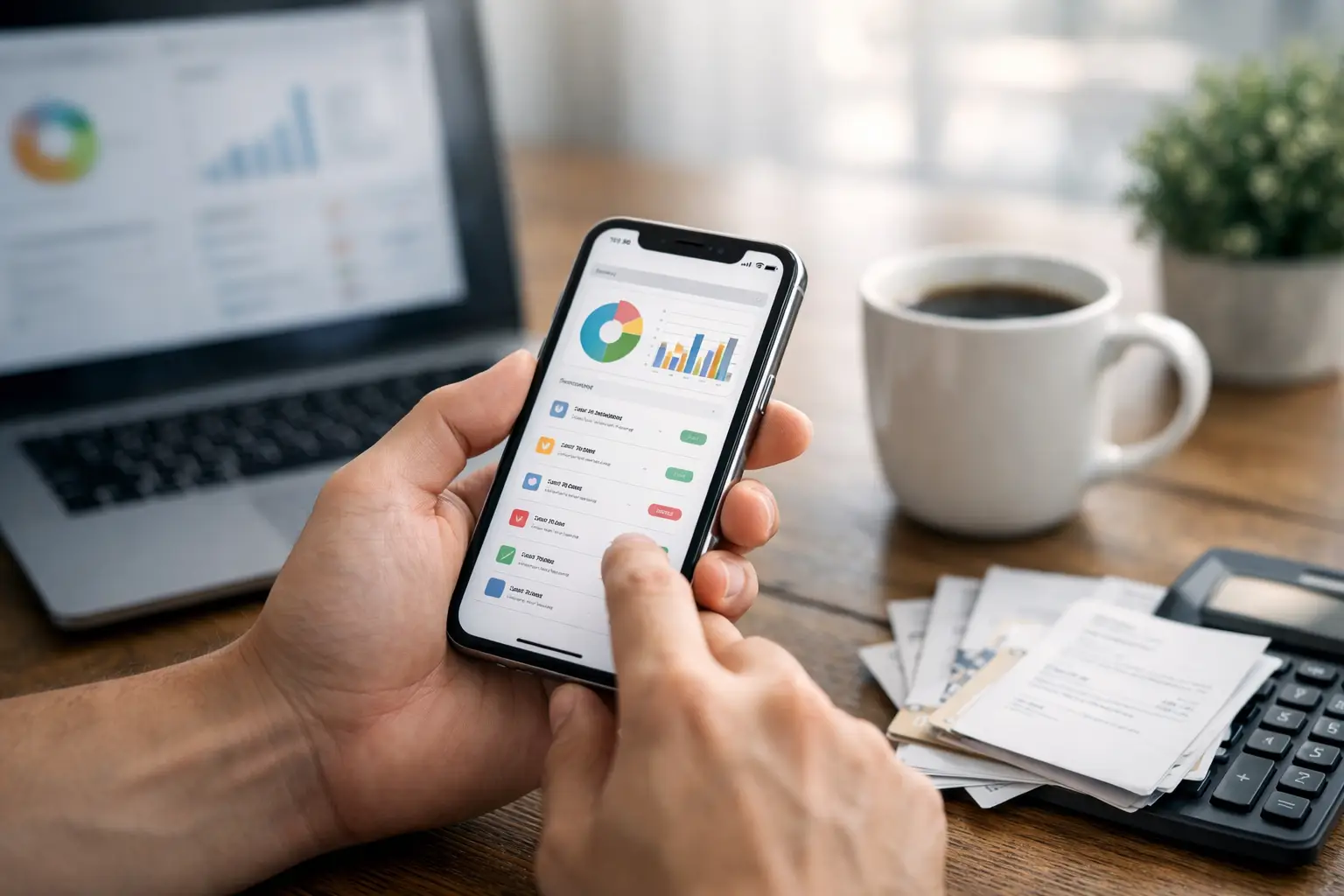
The issue is not paper itself. It is the gap between when you receive information and when you have time to process it. A mobile-first setup closes that gap because you can save or update records when the information is in front of you.
The documents most homes should keep together
Household records are broader than many people think. Most people start with warranties and receipts, which makes sense, but a useful organizer covers the full picture of how a home runs.
For appliances and home systems, keep purchase dates, model and serial numbers, warranty details, receipts, manuals, installer information, and maintenance history together. For the home itself, that may include paint details, flooring records, utility provider notes, filter sizes, and service schedules. Renters can use the same approach for lease paperwork, move-in records, landlord contact details, and appliance information provided with the unit.
The right level of detail depends on your household. A small apartment may not need much more than appliance basics and lease documents. A larger home with multiple systems will usually benefit from more complete records. The goal is not to save everything. It is to save the information you are most likely to need again.
A simple way to set up your organizer
The easiest system starts with categories that reflect real decisions, not perfect filing logic. Think in terms of rooms, major appliances, services, and key home documents. If you have to guess where something belongs, the category is probably too vague or too complicated.
Start by gathering records for your highest-friction items first. Usually that means your refrigerator, washer and dryer, HVAC system, water heater, lease or mortgage paperwork, and any active warranties. These are the items most likely to need servicing, renewals, or reference details later.
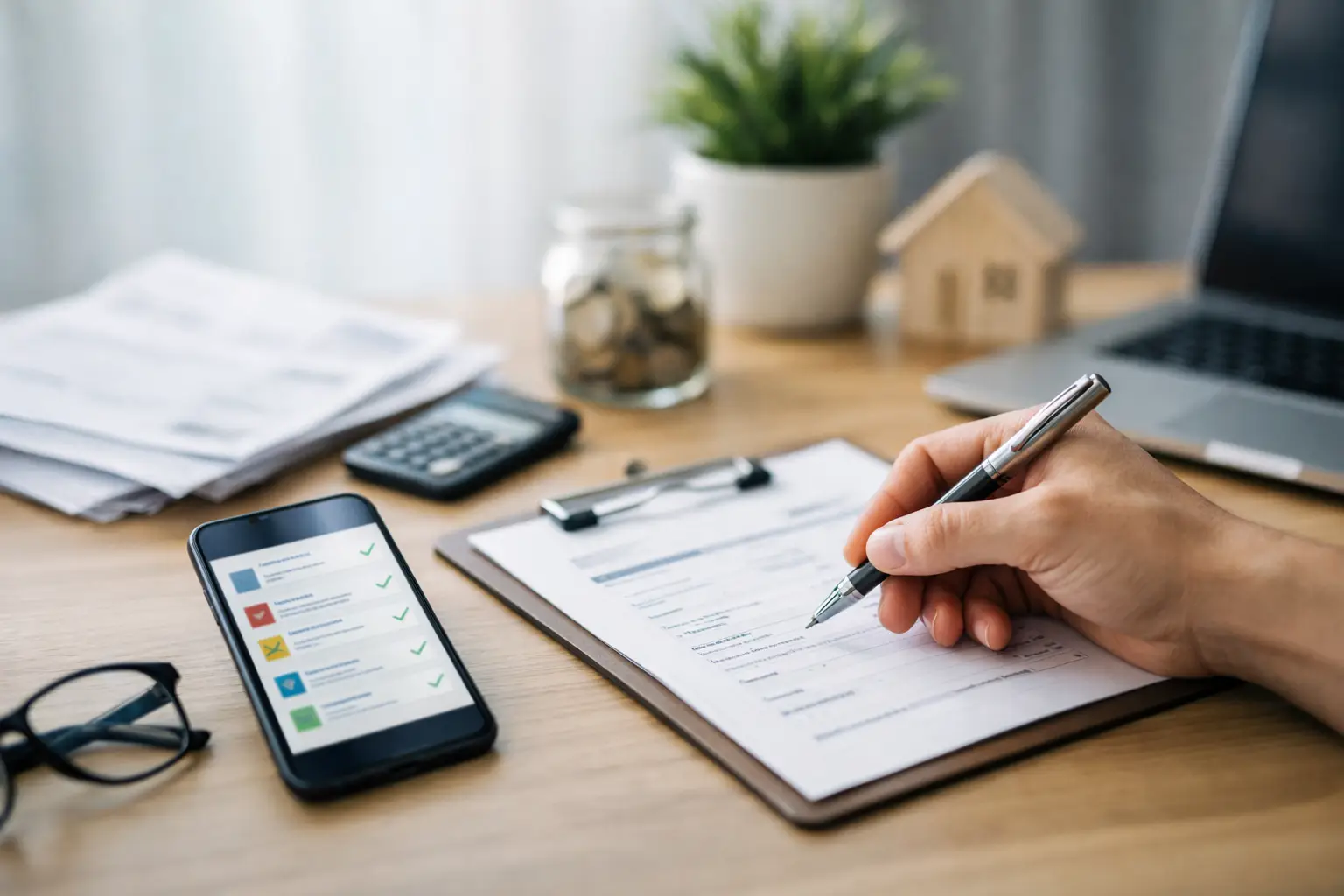
Then give each item its own record. Put the core facts together: what it is, where it is, when you got it, who installed or services it, and what documents belong with it. This item-based approach is what makes a household document organizer useful. You are not just filing documents. You are creating a home reference system.
If you want to keep it manageable, do not try to organize every scrap of household paper in one weekend. Build the system around what matters most, then add to it as new information comes in.
Digital organization works best when it stays current
The hardest part of any organizing system is maintenance. People do not usually abandon household organization because it is unimportant. They abandon it because it becomes one more thing to manage.
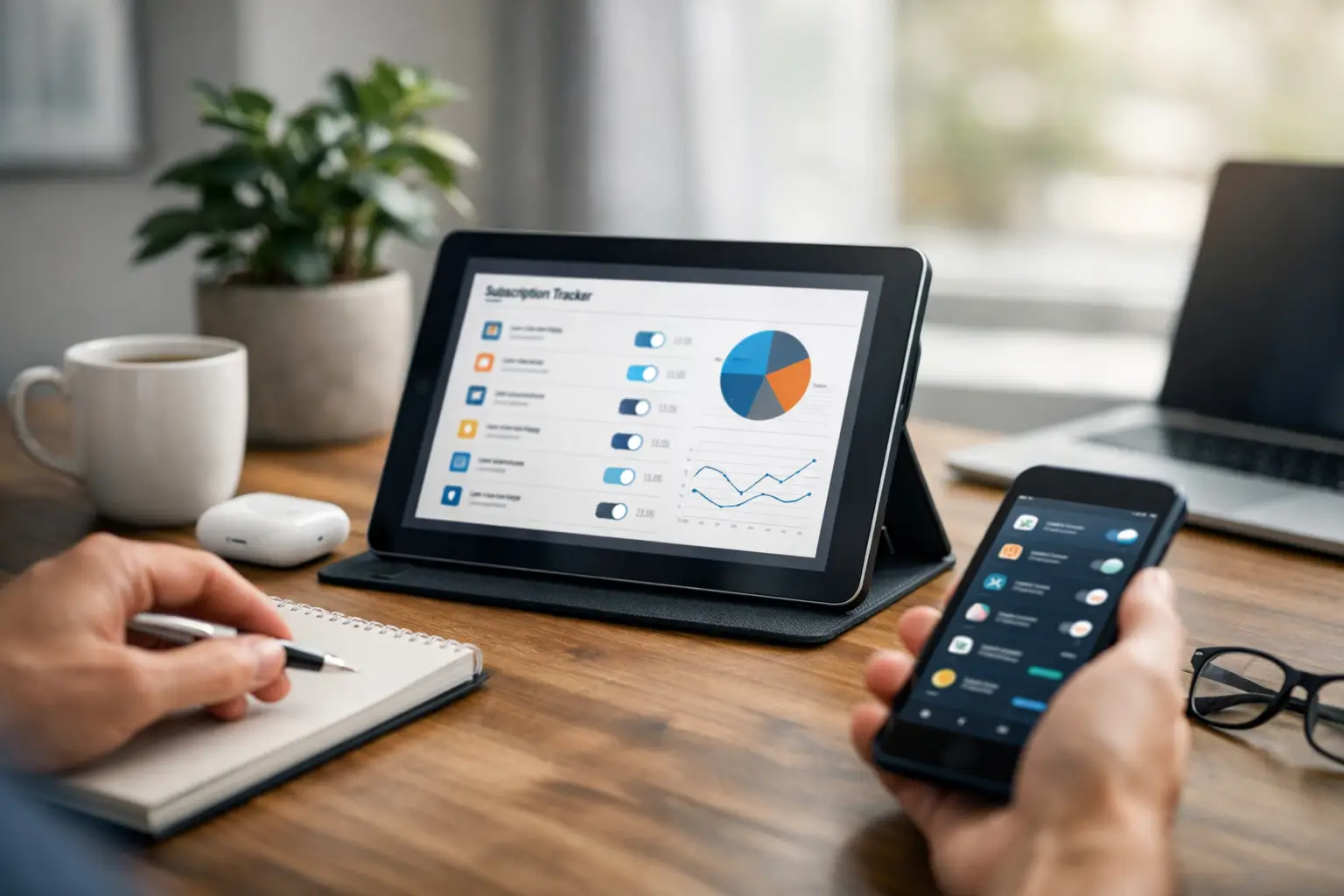
That is why low-effort updating matters so much. When a service visit happens, you should be able to add the invoice or note the date without reworking the whole system. When a warranty expires, you should be able to see that clearly instead of discovering it after the fact. When a filter size or model number changes, that update should take seconds.
This is where a tool built for home records is more practical than a generic notes app or photo album. Generic tools can hold information, but they do not naturally organize it around appliances, warranties, provider details, and maintenance timelines. ClearDue Abode fits this use case because it is designed for household organization, not just document storage. It gives iPhone users a simpler way to keep home records, appliance details, and household paperwork in one place that stays useful over time.
What to keep physical and what to keep digital
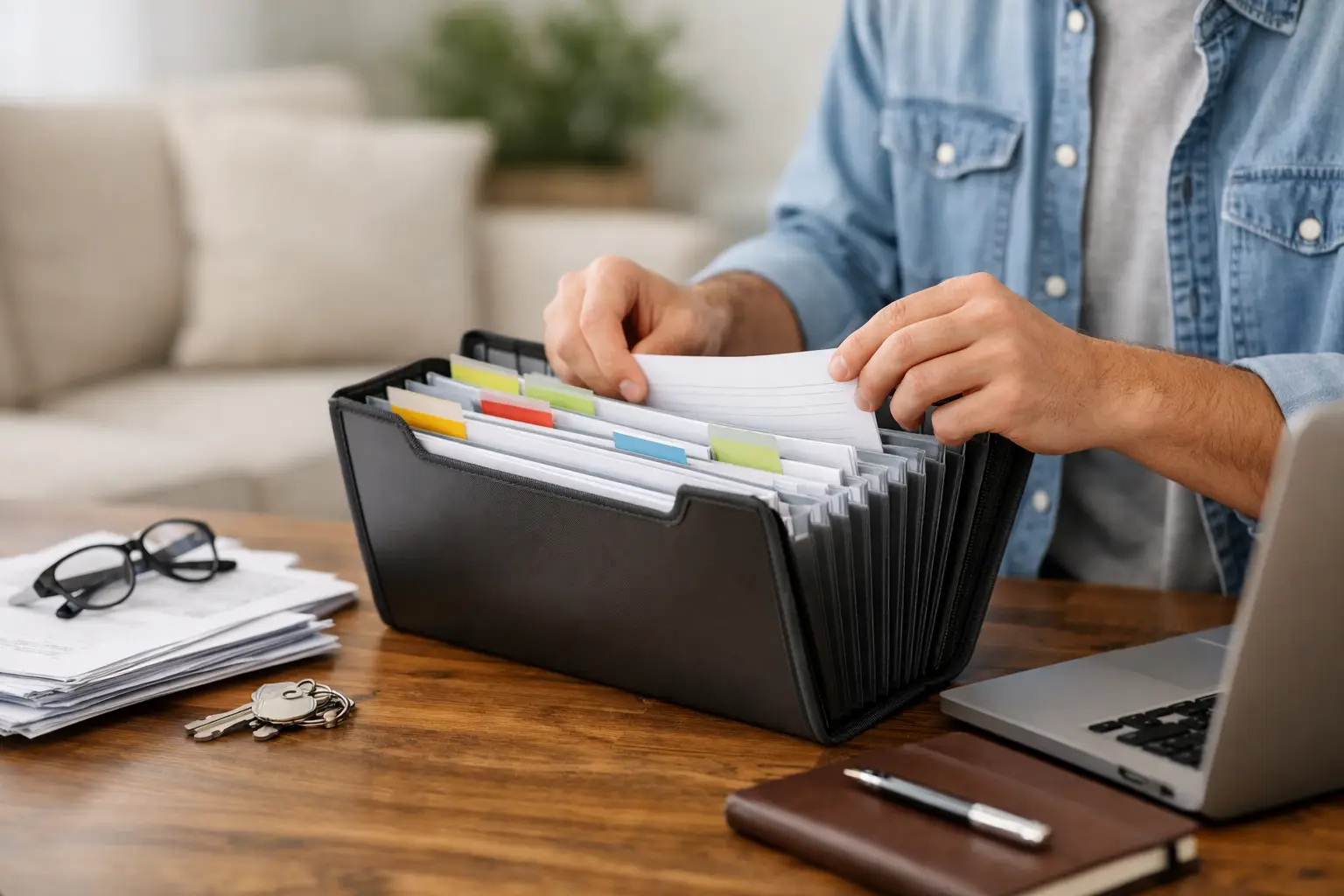
For many households, the best answer is both. Some original documents still make sense to keep physically, especially if you want a hard-copy backup. But day-to-day access is usually easier in digital form, where you can search, review, and update records quickly.
A practical split is to keep originals or hard copies for a smaller set of important documents and use your digital organizer for everyday access and reference. That way, you are not hunting through a file box for a dishwasher serial number or trying to remember where you tucked the warranty booklet.
The trade-off is that digital systems are only as complete as the information you put in them. Physical files can feel reassuring because they are tangible. Digital records are faster to use. Most households benefit from letting each format do what it does best instead of forcing one method to cover everything.
The payoff is less obvious stress
A household document organizer does not usually save the day in a dramatic way. It helps in smaller, more common moments. You know the warranty status before scheduling service. You can pull up the appliance information without opening six apps or three drawers. You remember what was installed, when it was serviced, and who handled it last time.
That kind of visibility matters because household administration is rarely one big task. It is dozens of small responsibilities spread across months and years. When the information behind those responsibilities is organized, the work feels lighter.
There is also a confidence that comes from knowing your home records are not floating around in random places. You do not have to rely on memory, old emails, or a folder you might have labeled well three years ago. You have a system that reflects how households actually operate now.
If your current setup is a mix of paper stacks, screenshots, and good intentions, you do not need a more complicated method. You need one clear place to keep the records that make home life easier to manage. Start with the documents you wish you could find fastest, and build from there. That is usually enough to turn household paperwork from background stress into something finally under control.