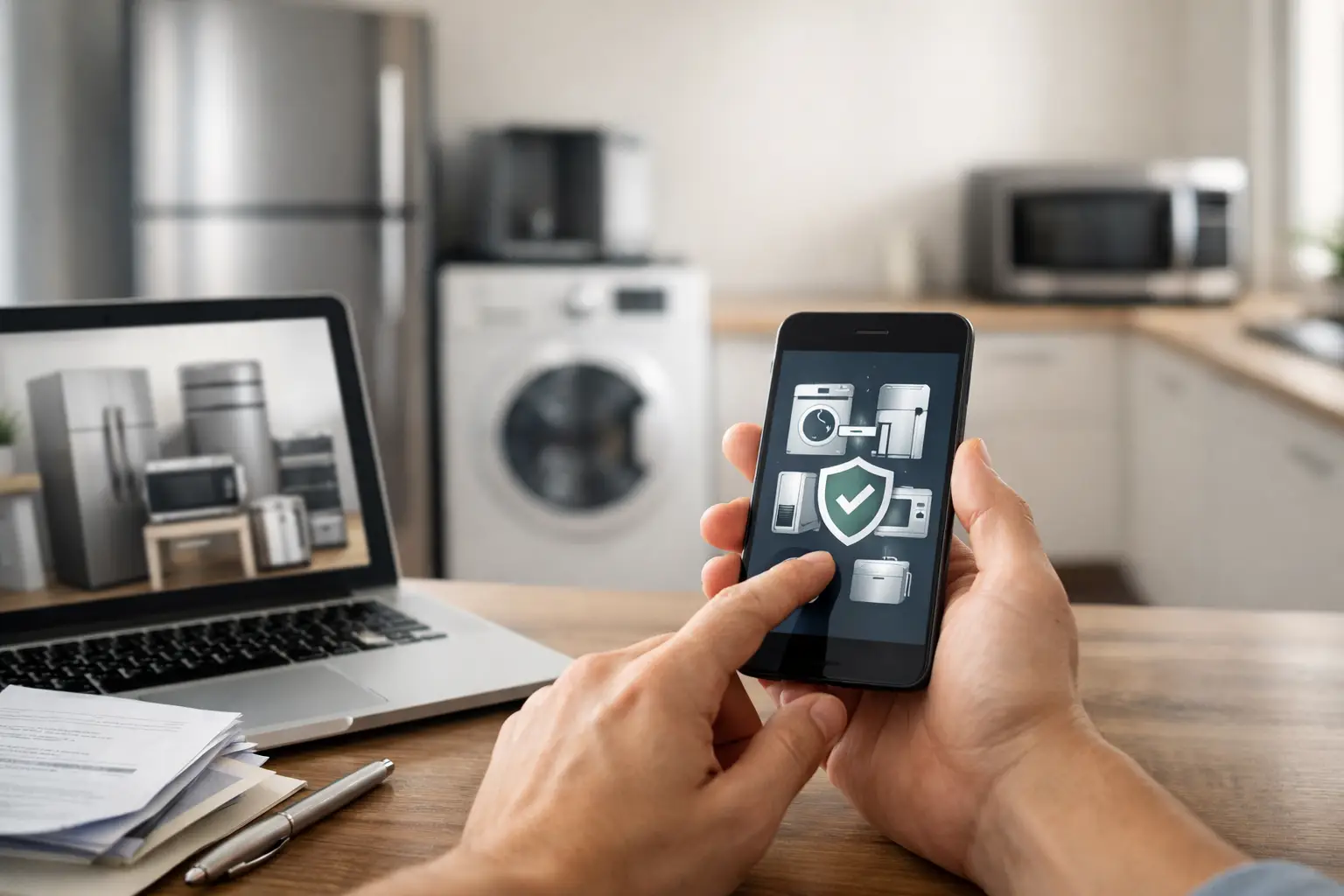
You usually notice the problem when you need something fast. The air filter size is nowhere to be found. The warranty paperwork for the dishwasher has vanished. You vaguely remember the water heater was serviced, but not when. A good home maintenance organizer fixes that kind of friction before it turns into stress.
For most households, home upkeep is not hard because the tasks are complicated. It is hard because the information lives in too many places. Some details are in your notes app, some are in a kitchen drawer, some are buried in email, and some only exist in your memory. That works until life gets busy, a season changes, or something breaks.
A home maintenance organizer gives you one place to keep the records and reminders that make a house easier to manage. It helps you stay ahead of recurring tasks, keep useful documents close, and spend less time trying to reconstruct what happened last year.
What a home maintenance organizer should actually do
The best system is not the one with the most categories. It is the one you will keep using. That means your organizer should make it easy to store the details you look for most often and remind you about the tasks that are easy to forget.
At a practical level, that usually includes appliance information, warranty dates, purchase records, service history, home documents, and recurring maintenance schedules. Think less about creating a perfect archive and more about building a working household reference you can trust.
That distinction matters. A binder full of manuals may look organized, but it does not help much if you cannot check it while standing in a hardware store or calling a service provider. A spreadsheet may be thorough, but many people stop updating it after the first few months. The right setup needs to be easy enough for real life.
Why scattered home records create more work
Small gaps in household information create repeat problems. You buy replacement filters twice because you forgot the size. You miss a warranty window because the purchase date is hard to find. You delay routine maintenance because you cannot remember whether it was done six months ago or eighteen.
This is where household organization pays off. When records are centralized, routine decisions get faster. You know what appliance you own, when it was installed, who last serviced it, and what needs attention next. That saves time, but it also reduces the mental load of carrying unfinished household details around in your head.
There is also a money side to it, even without turning this into a budgeting exercise. Forgetting maintenance can shorten the life of systems and appliances. Losing track of warranty information can mean paying for something that may have been covered. Buying duplicate supplies because you cannot find the right specs is a smaller issue, but it adds up in annoyance.
The core categories worth organizing
Most people do not need an elaborate system. They need a short list of categories that cover the details they reach for repeatedly.
Appliances are one of the biggest ones. Model numbers, serial numbers, purchase dates, manuals, and warranty periods are all useful when something stops working or needs a replacement part. Keeping service records with that information makes the file much more useful later.
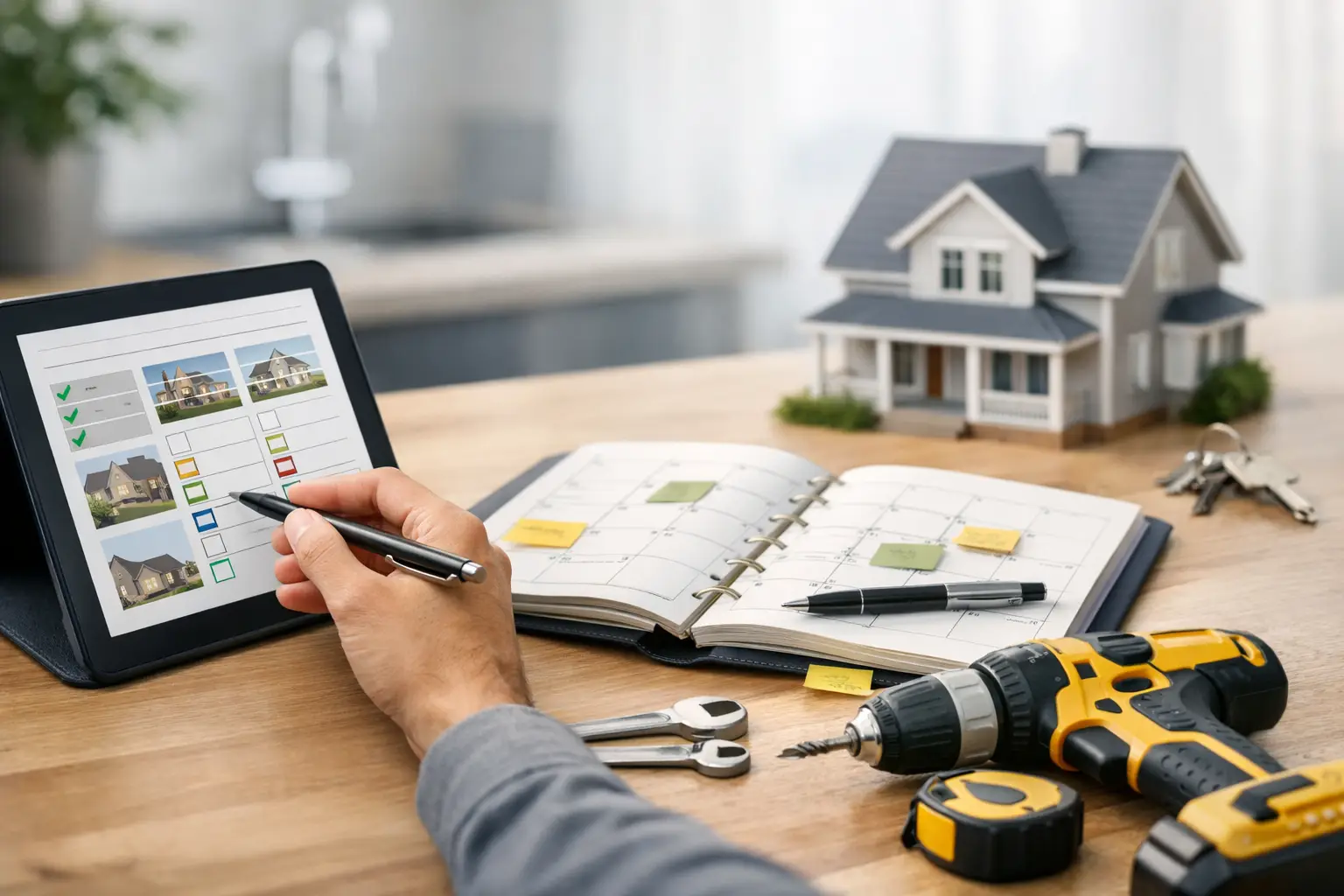
Home maintenance tasks are the next category. This includes recurring work such as changing filters, checking detectors, servicing heating and cooling systems, cleaning vents, flushing a water heater, or scheduling seasonal inspections. The exact list depends on your home. A renter will have fewer responsibilities than a homeowner, and a condo owner may have a different set of tasks than someone with a detached house.
Household documents also belong in the same system. That can include receipts, installation records, paint colors, flooring details, contractor notes, and other home-related paperwork you may need again. These are not things you use every week, which is exactly why they tend to get lost.
How to set up a system you will still use in six months
Start smaller than you think you need. If you try to document every screw, manual, and repair from the last decade in one weekend, you will probably burn out before the system becomes useful. A better approach is to build your organizer around the items that are most expensive, most frequently maintained, or most likely to create hassle.
Begin with major appliances and home systems. Add the refrigerator, dishwasher, washer and dryer, HVAC system, water heater, and anything else you would not want to research from scratch during a problem. Capture the basics first: brand, model, serial number, purchase or install date, warranty details, and any service notes you already have.
Then move to recurring tasks. Create a maintenance schedule based on your actual home, not a generic checklist that covers every possible property. If you do not have a fireplace, you do not need a fireplace reminder. If your building handles exterior maintenance, keep that out of your personal system. The goal is relevance.
Finally, make the system easy to update in the moment. That is where many organizing efforts fail. People create a structure, but it takes too much effort to add one more receipt or log one more service visit. A mobile-first setup is often better because it matches how people actually live. If you are standing next to the furnace, it should be simple to check its filter size and note the last replacement date.
Paper, spreadsheets, or an app?
There is no single right answer, but there are trade-offs.
Paper folders and binders feel familiar, and some people like having physical copies of manuals and receipts. The downside is access. Paper is harder to search, easier to misplace, and rarely with you when you need it.
Spreadsheets are flexible and inexpensive, but they depend on consistency. If you enjoy building systems and updating them regularly, a spreadsheet can work well. If not, it can become another place where good intentions go stale.
For many households, an app-based organizer is the most realistic option because it combines storage with visibility. ClearDue Abode is built around that need, helping iPhone users keep home records, appliance details, warranty information, and maintenance schedules in one place. That kind of setup fits everyday life better than relying on memory or a stack of papers in a drawer.
What to include for each item
A useful record does not need to be long. It needs to answer the questions you are most likely to ask later.
For an appliance or home system, the most helpful details are usually the item name, brand, model number, serial number, purchase or installation date, warranty coverage, receipt or document image, and service history. If there is a filter size, paint code, or other recurring spec you tend to forget, include that too.
For maintenance tasks, keep the schedule clear and realistic. Record what needs to be done, how often, when it was last completed, and any notes that would help next time. If a task depends on season or climate, label it that way. Spring HVAC service and fall gutter cleaning are easier to remember when they match how you think about the year.
A home maintenance organizer should reduce effort, not add to it
This is the part people often miss. A system can be organized and still be too annoying to maintain. If it asks too much of you, you will stop using it right when life gets full.
That is why simple beats impressive. A shorter list of well-kept records is more valuable than a complicated setup full of empty categories. If your organizer reliably tells you what you own, what is covered, and what needs attention next, it is doing its job.
It also helps to treat home organization as ongoing maintenance, not a one-time project. Add records when you buy something. Save the warranty when the appliance is delivered. Log the service visit while the details are fresh. Small updates are easier than trying to reconstruct everything later.
A home runs on dozens of little responsibilities, and most of them are easy to manage when the information is easy to find. The real win is not having a perfect system. It is being able to answer the next household question in a few seconds and move on with your day.