All Articles

Bill Tracking That Actually Stays Simple

Bill Tracking That Actually Stays Simple

Some bills are easy to remember until life gets busy. Then the electric bill is due the same week as a streaming renewal, a car insurance payment, and a yearly membership you forgot was set to renew at all.

That is why bill tracking matters more than most people expect. It is not just about knowing what you owe. It is about keeping recurring obligations visible, reducing the stress of scattered reminders, and making sure important due dates do not depend on memory alone.

For most people, the problem is not a lack of responsibility. It is fragmentation. One bill arrives by email, another is on autopay, a third shows up in a paper statement, and a fourth renews once a year with almost no warning. Even organized households can lose track when due dates live across inboxes, banking apps, notes, and calendars.

What bill tracking really solves

Good bill tracking gives you one clear view of what is coming up and when. That sounds simple, but the practical benefit is bigger than it looks. When bills are visible in one place, you spend less time double-checking due dates, searching old emails, or wondering whether something was already handled.

It also helps with the bills people forget most often: annual renewals, irregular subscriptions, and payments that do not happen often enough to become routine. Monthly bills tend to stay top of mind. The ones that cause trouble are the ones that fall outside your normal rhythm.

There is also a mental benefit. Many people carry a low-level worry about forgetting something important. That kind of background stress builds when your system is incomplete. A reliable bill tracking setup gives you fewer loose ends to hold in your head.

Why simple bill tracking works better than complicated systems

A lot of people start with a spreadsheet or a mix of calendar alerts and sticky notes. Those methods can work for a while, especially if you only manage a few payments. But they often break down for the same reason: they are easy to abandon.

If your system takes too much effort to maintain, it stops being useful. Bills change. Renewal dates shift. New subscriptions get added. Households evolve. A system that depends on constant manual upkeep tends to drift out of date.

That is why simple bill tracking usually works better over time. The goal is not to build a perfect financial command center. The goal is to create a clear, repeatable way to see your due dates and recurring payments without adding another chore to your week.

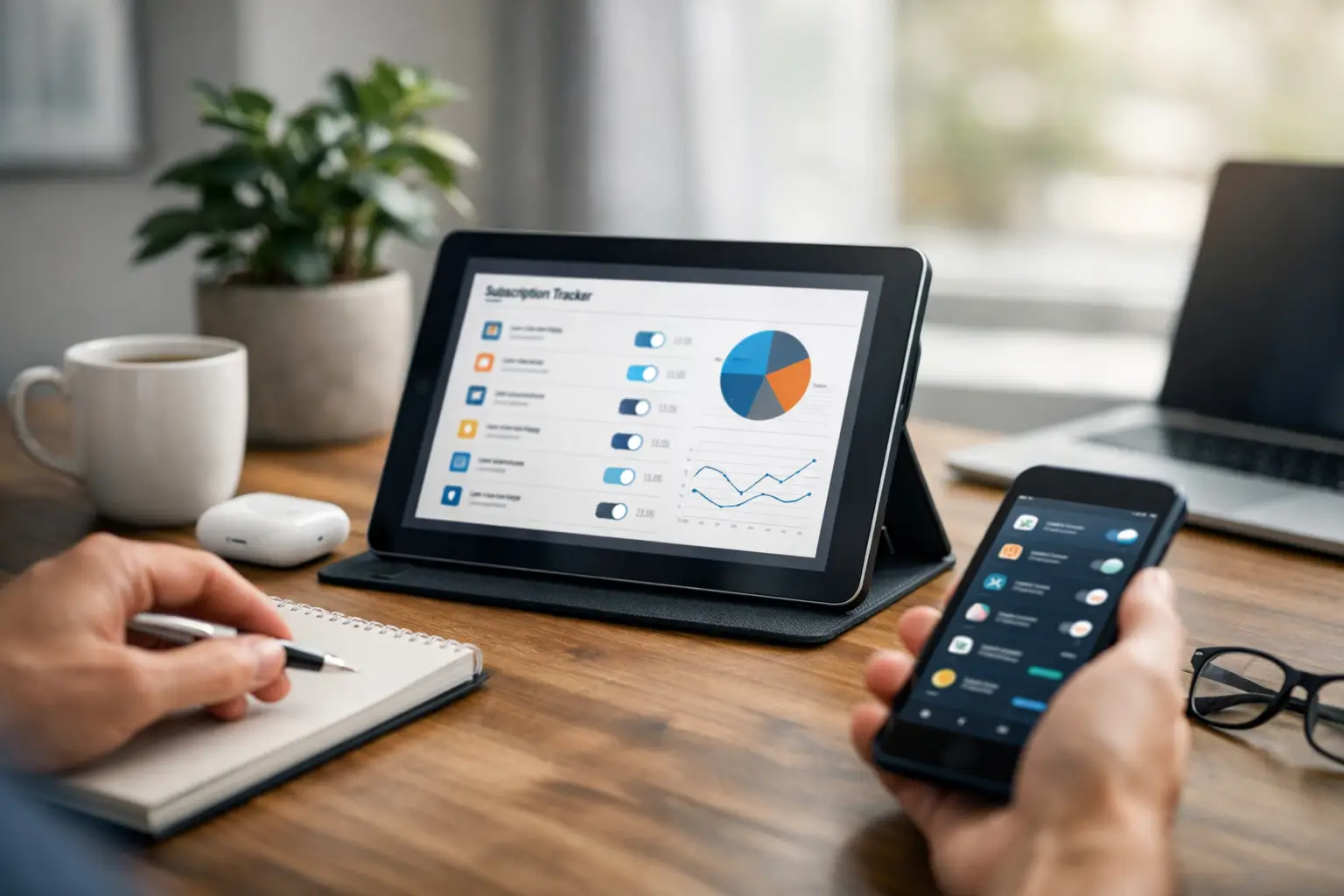
For iPhone users who want that kind of clarity, ClearDue Tracker is built around the everyday reality of recurring obligations. It helps keep bills, subscriptions, and renewal reminders visible without turning the process into something heavier than it needs to be.

The core parts of a useful bill tracking system

A useful system starts with visibility. You should be able to see what bills exist, when they are due, and how often they repeat. If you cannot answer those three questions quickly, your setup probably needs work.

The next part is consistency. It helps to track everything recurring in the same place, even if the payments happen in different ways. A bill on autopay still deserves visibility. So does a subscription charged once a year. Autopay can reduce effort, but it does not replace awareness.

Reminders are the third piece. A due date that sits quietly in a list is better than nothing, but reminders create action. The timing matters, too. Some people want a heads-up several days in advance so they can check balances or confirm account details. Others want a reminder the day before. There is no single right schedule. The best one is the one you will actually pay attention to.

Finally, there is review. Bill tracking is not something you set once and ignore forever. A quick check-in each month helps you catch old subscriptions, update changing due dates, and make sure your list still reflects real life.

Common bill tracking mistakes

The most common mistake is only tracking the bills that feel urgent. Rent, mortgage, utilities, and credit cards usually get attention. Smaller or less frequent charges are often the ones that slip through. Subscription renewals, annual memberships, school fees, storage plans, and service plans can all disappear into the background until they suddenly reappear on a statement.

Another mistake is assuming autopay means a bill no longer needs attention. Autopay is convenient, but it can also make charges easier to forget. If a payment amount changes, a card expires, or a service renews that you no longer use, lack of visibility becomes a problem.

People also tend to spread bill details across too many places. A few dates live in the calendar. Others stay in email. A couple are written on paper. One is saved in a note. That patchwork can function for a while, but it creates uncertainty. When you are not sure where the correct information lives, staying on top of bills takes more energy than it should.

How to make bill tracking fit real life

The best bill tracking method is the one that works when you are tired, distracted, or managing ten other things. That means it should be easy to update and easy to check.

Start by gathering all recurring bills and subscription renewals in one place. Include monthly bills, quarterly charges, and annual payments. If something repeats, it belongs in your system. Do not leave out autopay items just because they happen automatically.

Then look at timing. Some due dates need earlier reminders than others. A large payment may deserve more lead time than a small streaming renewal. A family plan with an annual charge might need a reminder far enough ahead to decide whether to keep it. This is where bill tracking becomes practical rather than generic. Different obligations need different levels of attention.

It also helps to think in household terms, not just individual ones. If you share responsibilities with a partner or manage family-related payments, clarity matters even more. Confusion often happens when one person assumes the other is handling something. A visible system reduces that kind of guesswork.

Bill tracking is not just about late fees

Avoiding a missed payment is one obvious reason to track bills, but it is not the only one. Good bill tracking also helps you spot patterns in what keeps renewing, what has become easy to ignore, and what no longer deserves a place in your monthly or annual routine.

That kind of visibility supports better everyday decisions. Not big, complicated financial decisions - just practical ones. You can see what is coming up this month, what renews next season, and what should not catch you off guard. That makes planning easier, even if your life is busy and your schedule changes week to week.

There is also peace of mind in knowing that your obligations are not floating around in separate systems. When bills are organized, you do not need to mentally rehearse due dates just to make sure nothing slips.

When your system needs an upgrade

If you regularly search old emails to confirm due dates, your system is probably too scattered. If annual renewals surprise you, it is probably too incomplete. If you avoid updating your bill list because it feels tedious, it is probably too complicated.

A better setup should feel lighter, not heavier. You should be able to open it, see what matters, and move on with your day. That is the real standard. Not whether your process looks impressive, but whether it helps you stay organized with less friction.

Bill tracking works best when it becomes part of your routine without demanding constant attention. A simple mobile-first system can do that well because it stays close to where people already manage the rest of life - on their phone, between errands, during a lunch break, or while checking the week ahead.

If your current approach leaves too much to memory, that is a good sign it is time to simplify. The right system does not make you think more about bills. It helps you think less, because the important dates are already accounted for.

A calm, reliable bill tracking habit does not need to be complicated to be effective. It just needs to be clear enough that you can trust it when life gets full.