All Articles

How to Track Appliance Warranties Easily

How to Track Appliance Warranties Easily

That warranty for your dishwasher usually feels easy to remember right up until the day it starts leaking. Then the receipt is missing, the model number is on a sticker you never photographed, and you are left guessing whether coverage expired last month or last year. If you want to know how to track appliance warranties without turning your home records into a second job, the answer is simple: keep the key details in one place and set reminders before you need them.

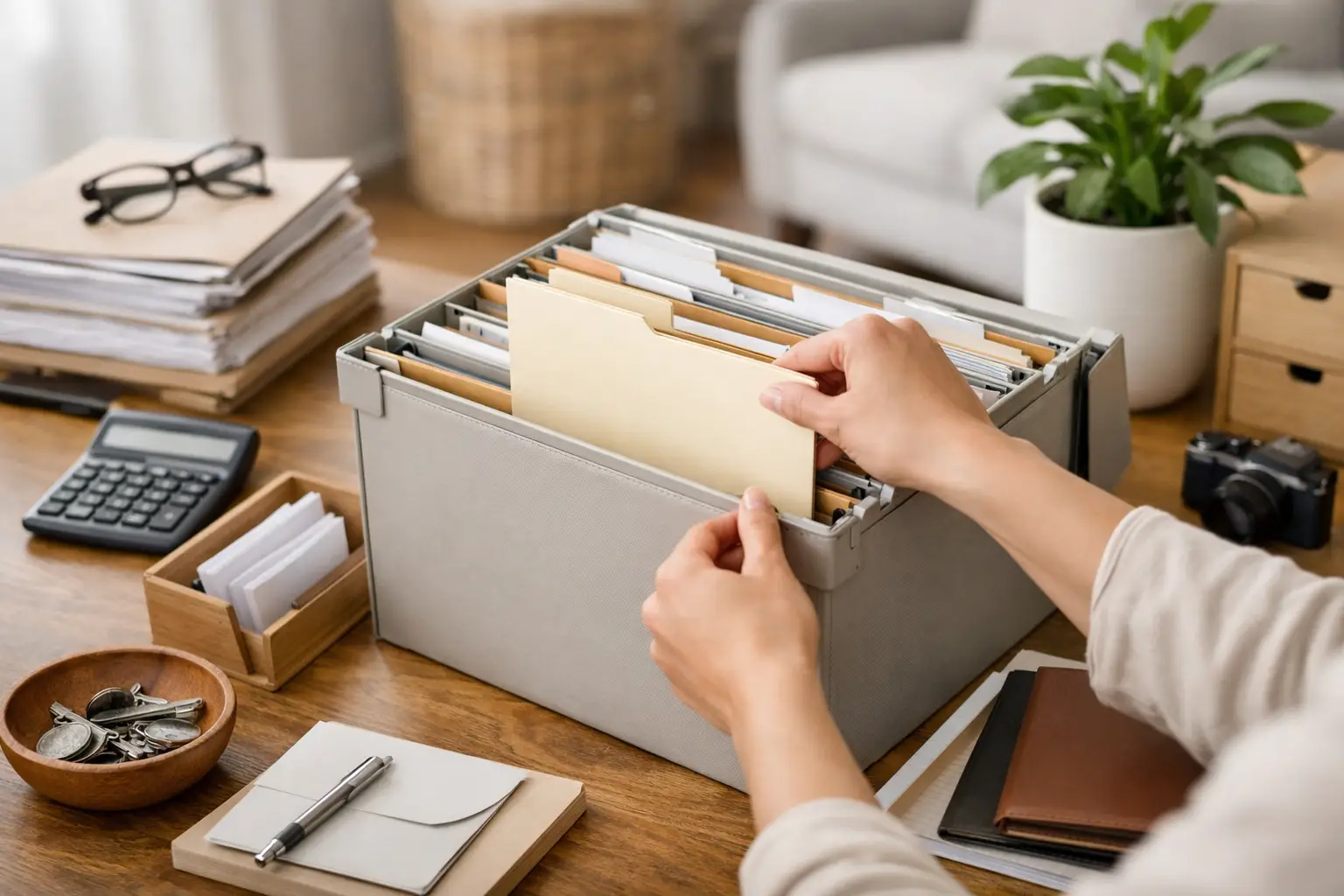
Most households do not lose warranties because they are careless. They lose them because appliance information gets scattered. A purchase receipt lives in email, the manual is shoved in a drawer, the serial number is behind the machine, and the warranty terms sit on a folded paper packet no one plans to read twice. The problem is not memory. It is fragmentation.

Why appliance warranty tracking matters more than it seems

A warranty is really a time-sensitive household record. It has a start date, an end date, conditions, and supporting documents. If any of those pieces are hard to find, the warranty becomes much less useful.

Good tracking helps in a few practical moments. If your refrigerator stops cooling, you can quickly confirm whether parts or labor might still be covered. If you are moving, selling a home, or handing appliance details to someone else in the household, your records are already organized. And if an extended warranty or service plan is about to end, you have a chance to decide whether any lingering issue should be addressed while coverage still applies.

There is also a peace-of-mind benefit. When appliance records are organized, you do not have to keep re-creating the same information every time something goes wrong. You know where to look, what you bought, and when the coverage ends.

How to track appliance warranties with a simple system

The best system is the one you will still use six months from now. That usually means keeping things simple enough to update in under five minutes when a new appliance arrives.

Start by creating one record for each appliance. For most homes, that means your refrigerator, washer, dryer, dishwasher, stove, microwave, water heater, and any smaller high-value appliances that came with separate coverage. If you are a renter, your list may be shorter, but the same approach still works for appliances you purchased yourself.

Each record should include the appliance name, brand, model number, serial number, purchase date, store or seller, warranty length, and warranty end date. Add where the receipt is stored and any notes about registration requirements or service contacts if you have them. You do not need to build a perfect archive. You just need enough information to act quickly later.

Photos help more than people expect. Take a picture of the model and serial sticker as soon as the appliance is installed. Photograph the receipt if it is on paper. Save any warranty booklet or registration confirmation. If those details are attached to the appliance record, you avoid the usual scramble of pulling the machine away from the wall just to read a label.

What to save for every appliance

A lot of people either save too little or save everything. Both approaches create problems. If you save too little, you cannot prove purchase or identify the appliance. If you save every page of packaging and paperwork, finding the one useful document becomes harder.

For most appliances, save the purchase receipt, a photo of the model and serial number, the manufacturer warranty terms if available, and confirmation of any extended coverage. If registration was required, save proof that you completed it. If the appliance came with installation paperwork, that can also be worth keeping, especially when installation affects warranty validity.

You do not always need the full printed manual unless you prefer having it. For warranty tracking, the core issue is documenting ownership, coverage length, and how to identify the appliance.

The dates that actually matter

People often focus on the purchase date and forget the date they will care about later: when the warranty ends. That end date should be the centerpiece of your system.

For example, a one-year manufacturer warranty sounds straightforward, but it can get fuzzy if the appliance was delivered later than purchase, replaced under a prior claim, or paired with a retailer protection plan. In some cases, coverage starts at purchase. In others, terms can vary. That is why it helps to note both the source of the warranty and the exact end date you are relying on.

Set a reminder before the warranty expires, not only on the expiration day itself. Thirty to sixty days ahead is usually a good range. That gives you time to notice minor issues you may have ignored, gather documents, and decide whether you need service while coverage still applies. A same-day reminder is better than nothing, but it often arrives too late to be useful.

Where most warranty systems break down

The most common mistake is storing appliance information in too many places. A receipt goes to email, a photo sits in the camera roll, a warranty card ends up in a kitchen drawer, and a reminder never gets created. Each piece exists, but the system does not.

The second mistake is relying on memory for appliances that are supposed to last years. You may remember buying a washer last spring, but not whether it was April or June, or whether the store plan covered labor after the manufacturer warranty ended. Those details matter when you need service.

Another problem is only tracking new purchases. Existing appliances deserve records too, even if you are creating them after the fact. You may not have every original document, but collecting what you can still makes your home records easier to manage.

A mobile-first approach works better for real life

Home organization systems tend to fail when they depend on being at your desk. Appliance issues rarely happen at the ideal moment. They happen when you are in the laundry room, at the store, on the phone with support, or trying to remember what was installed two years ago.

That is why many households do better with a mobile record system. If the information is easy to update from your phone, it is more likely to stay current. If it is easy to search, it is more likely to be useful when something breaks.

For iPhone users trying to keep appliance records and warranty dates in one place, ClearDue Abode fits this kind of task naturally. It is designed for home organization, including appliance records, household documents, warranty tracking, and maintenance schedules. That kind of setup reduces the usual friction of managing appliance details across photos, notes, email, and paper files.

How to keep the system current without overthinking it

The trick is to treat warranty tracking as part of the purchase process, not a separate project for later. When a new appliance arrives, create the record right away. Add the date, take the label photo, save the receipt, and set the reminder. Done once, that small step can save a surprising amount of time later.

If you already have several appliances and no organized records, do not try to fix everything in one sitting unless you want to. Start with the most expensive or most failure-prone items, then fill in the rest over time. A partial system that exists is better than a perfect system you never finish.

It also helps to review your appliance records once or twice a year. This does not need to be a deep clean. Just make sure dates are correct, documents are still attached, and any recent purchases have been added. If your household has more than one adult managing home details, make sure both people know where the records live.

When warranty tracking gets a little more complicated

Some situations need a bit more attention. If you bought an appliance as part of a home purchase, you may not have a standard receipt. In that case, record whatever proof you do have, such as closing documents, installation paperwork, or builder information. If the warranty is transferable, note that too.

Extended warranties can also complicate things. They are not always bad, but they do create another date range and another provider to track. If you have one, keep the manufacturer warranty and the extended coverage details together so you can see where one ends and the next begins.

And if you have had a warranty repair already, add that note to the record. Repeat issues, replacement parts, and service dates can all matter later, especially if the same appliance fails again.

A good appliance warranty system is not about saving every document you have ever touched. It is about making sure the right information is easy to find when your home needs it most. A few clear records, a couple of well-timed reminders, and one consistent place to keep everything can take a lot of stress out of appliance ownership. Future you will be glad the answer is already there.