Late fees usually do not start with one dramatic mistake. They start with ordinary friction: a bill notice in the wrong inbox, an annual renewal that did not feel urgent, a card that expired, or a reminder that arrived after the day was already full. Avoiding late fees is less about becoming more disciplined and more about giving due dates a system that works when life is crowded.
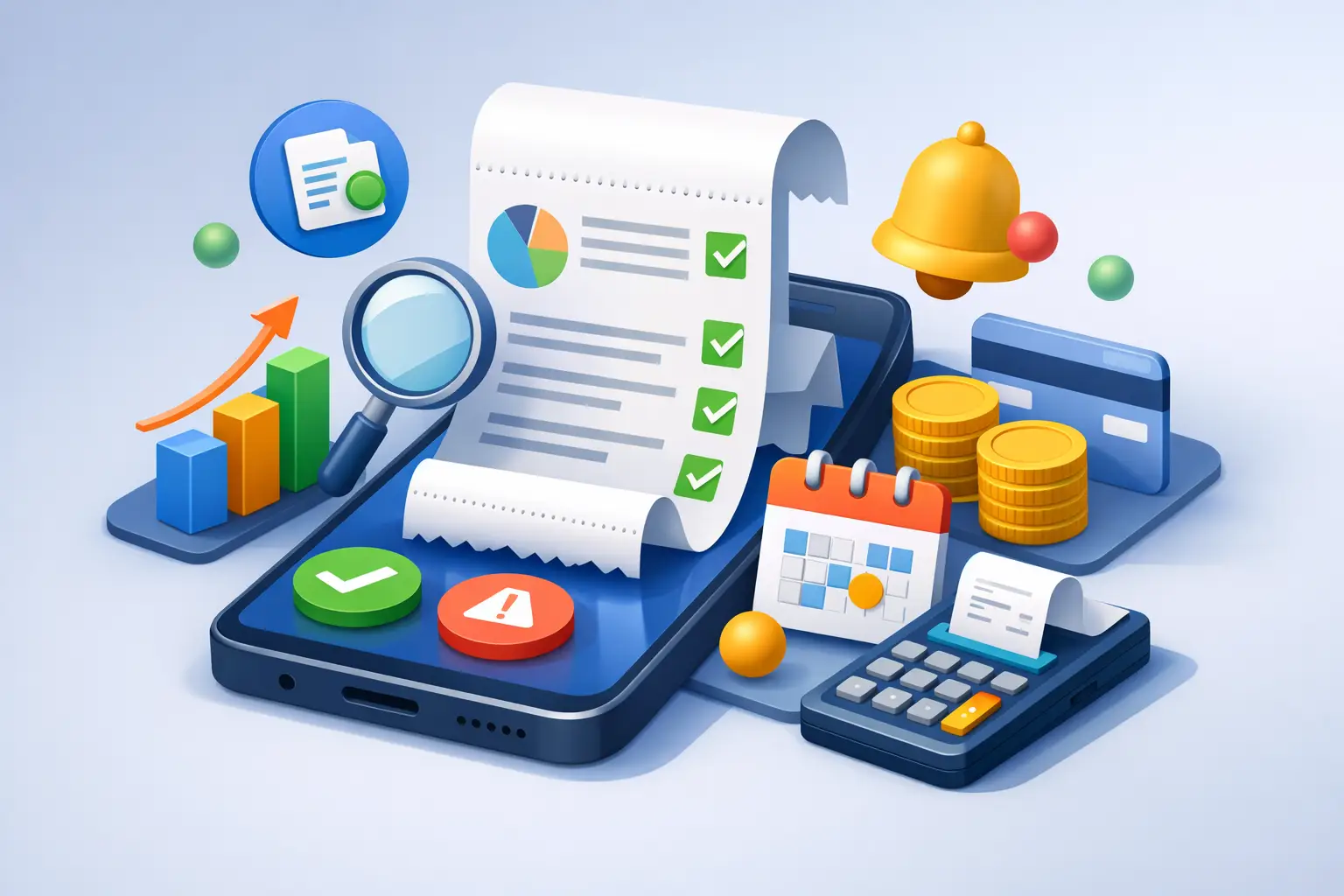
The useful version of that system has three jobs. It shows every recurring obligation in one place, reminds you early enough to act, and gives you a quick way to confirm what was paid, scheduled, or still needs attention.
Build one complete due-date list
Start by gathering the bills that can actually create a late fee or a missed-payment problem. Include rent or mortgage, utilities, phone, internet, insurance, loans, credit cards, memberships, school fees, subscriptions, and annual renewals. If a payment repeats or has a deadline, it belongs in the same view.
This is the step most people underdo. Monthly bills are easy to remember because they repeat often. Quarterly, annual, or irregular charges are easier to miss because they disappear for months at a time. A complete list keeps those quieter obligations from relying on memory.
Set reminders before the due date
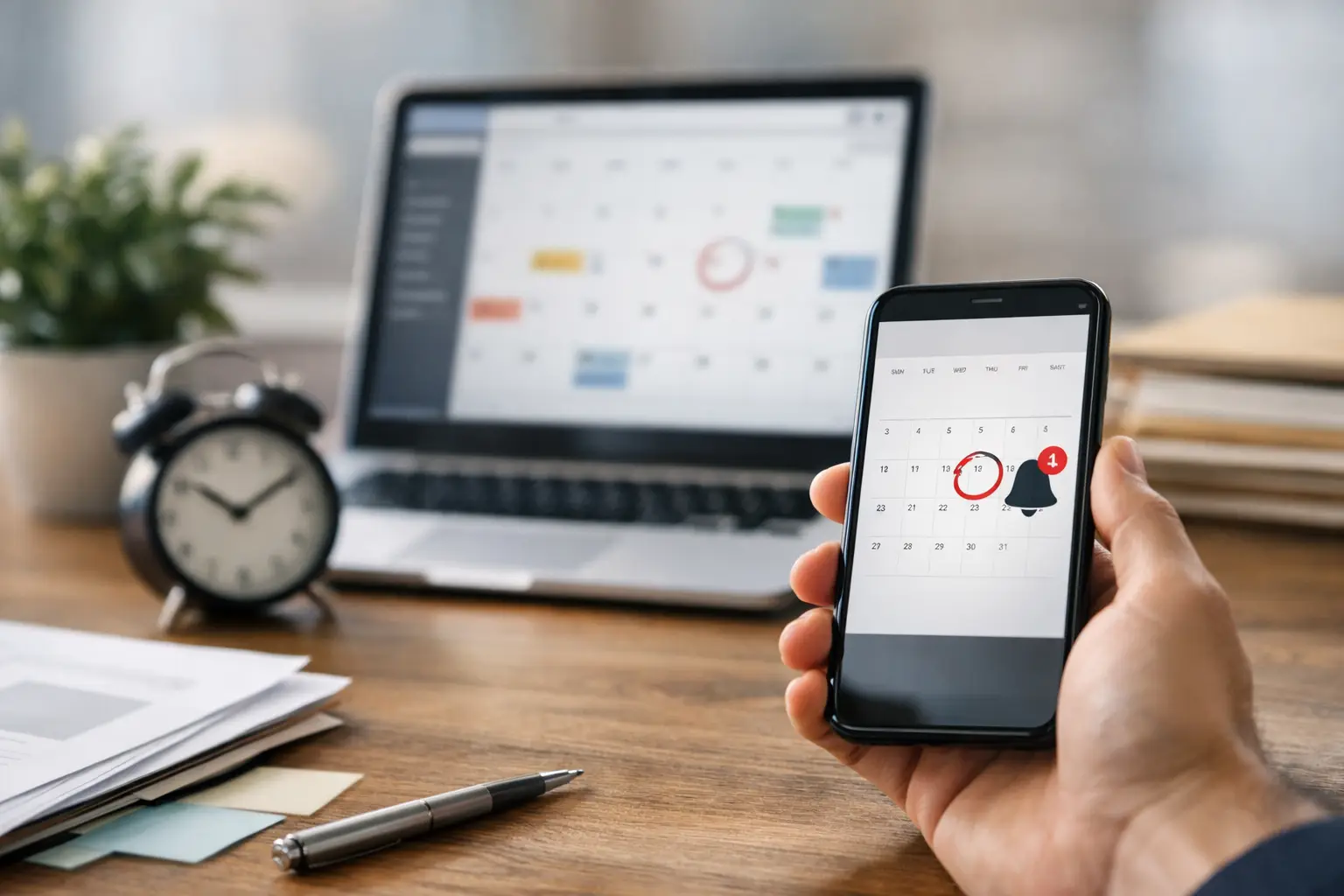
A same-day alert may be useful, but it should not be the first time you think about a payment. A better pattern is an early reminder for planning and a near-due reminder for follow-through. Larger bills, variable bills, and annual renewals usually deserve more lead time than small fixed charges.
That lead time gives you space to move money, update a payment method, check a changing amount, or decide whether to keep a subscription before it renews. The goal is not more notifications. It is fewer last-minute decisions.
Use autopay as a helper, not a blind spot
Autopay can reduce missed payments, but it does not eliminate the need to review bills. Cards expire, balances change, providers adjust due dates, and subscription prices drift. A reminder before an autopay charge gives you a chance to confirm the amount and catch problems while there is still time.
Manual payments need a slightly different routine. They need a clear status step so you can tell whether a bill is due, scheduled, paid, or overdue. Without that status, reminders can turn into background noise because you are never quite sure what still needs action.
Make the review small enough to repeat
The best late-fee prevention habit is a short weekly review. Look at what is due in the next seven to ten days, confirm any autopay items, and mark manual payments as scheduled or paid. A deeper monthly review can catch new subscriptions, canceled services, annual renewals, and bills whose amounts changed.
For busy households, it helps to keep the routine visible and shared. If more than one person may handle a bill, the system should make ownership obvious. Many missed payments happen when everyone assumes someone else saw the reminder.
Keep subscriptions in the same system
Subscriptions may not always create late fees, but they create surprise charges and renewal stress. Treat them like bills for tracking purposes. Record the renewal date, frequency, expected amount, and whether you want a review reminder before the charge lands.
This is especially important for annual plans, free trials, and services tied to a card you rarely check. A subscription reminder that arrives two weeks early can prevent the familiar feeling of noticing the charge only after it posts.
When a dedicated bill tracker helps
A calendar can work if your list is short and you keep it current. A spreadsheet can work if you enjoy maintaining it. But many people need something lighter: one place for recurring obligations, reminder timing, status, and renewal visibility.
ClearDue Tracker is built for that focused job on iPhone. It does not pay bills for you or connect to your bank. It helps keep the dates, reminders, and recurring items visible so you can act before a missed payment becomes a fee.
A simple late-fee prevention checklist
- Record every recurring bill, subscription, and annual renewal.
- Add the due date, repeat schedule, expected amount, and payment method.
- Set reminders early enough to fix payment problems before the deadline.
- Review autopay items instead of assuming they are always handled.
- Mark manual payments as scheduled or paid so reminders stay trustworthy.
- Do a short weekly review and a slightly deeper monthly cleanup.
Late fees become much less likely when due dates are not scattered. A calm tracking habit turns bills from something you remember under pressure into something you can review before it becomes urgent.