That $9.99 charge did not feel like much when you signed up. Neither did the annual renewal you meant to cancel last month. But when streaming services, fitness memberships, software plans, and utility due dates start stacking up, the real problem is not always overspending. Sometimes it is simply losing track. That is where the question of subscription tracker versus budgeting app becomes useful, because these tools solve different problems.
A lot of people assume a budgeting app should handle everything related to money. In practice, budgeting apps are usually built to show where your money goes, while subscription trackers are built to help you stay ahead of recurring obligations. If your stress comes from forgotten renewals, scattered due dates, or not remembering which service bills annually versus monthly, that difference matters.
Subscription tracker versus budgeting app: what changes from day to day?
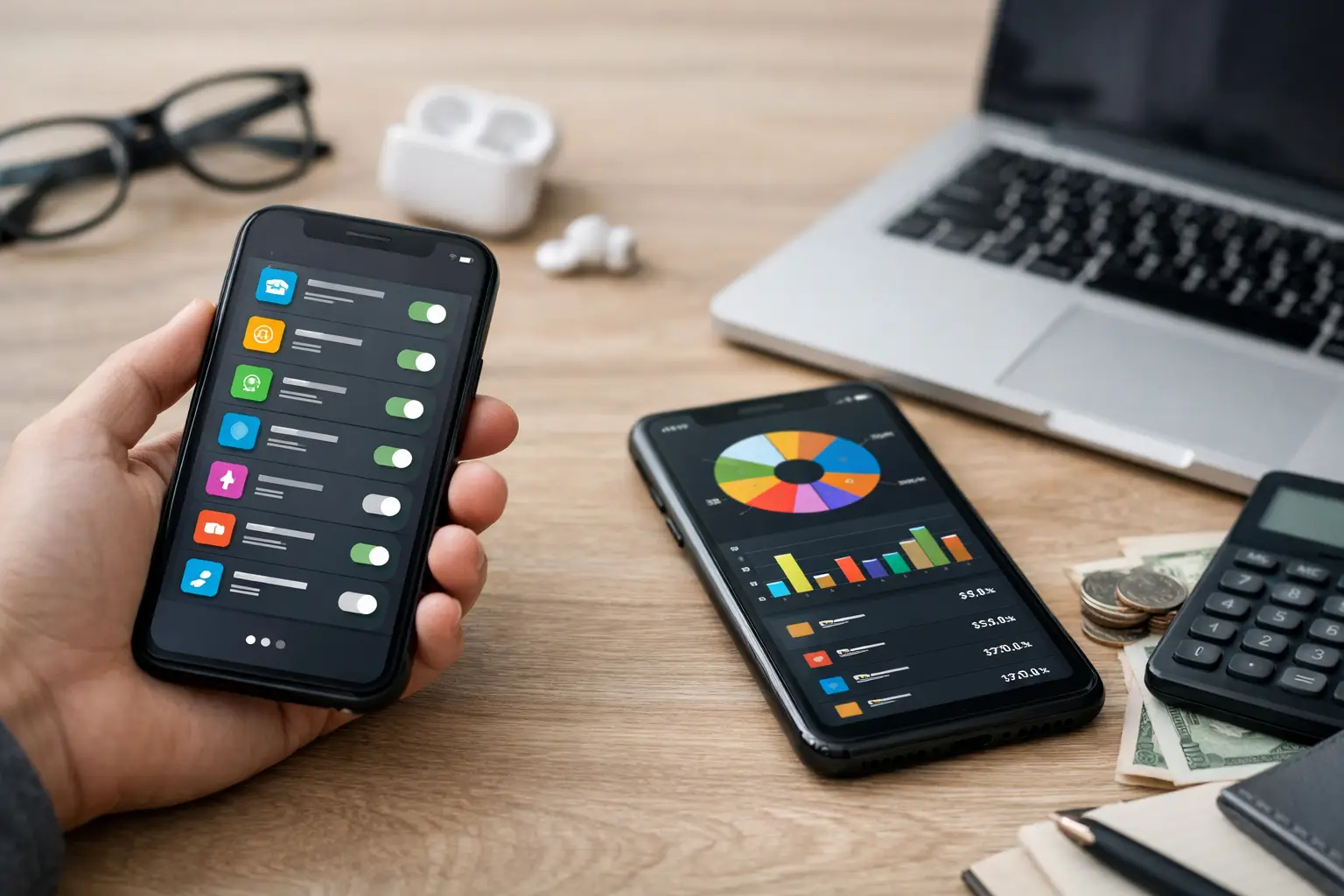
A budgeting app is usually centered on categories. It helps you look at groceries, dining, transportation, housing, or entertainment and decide how much you want to spend in each area. The goal is broader financial awareness. You are trying to shape spending behavior over time.
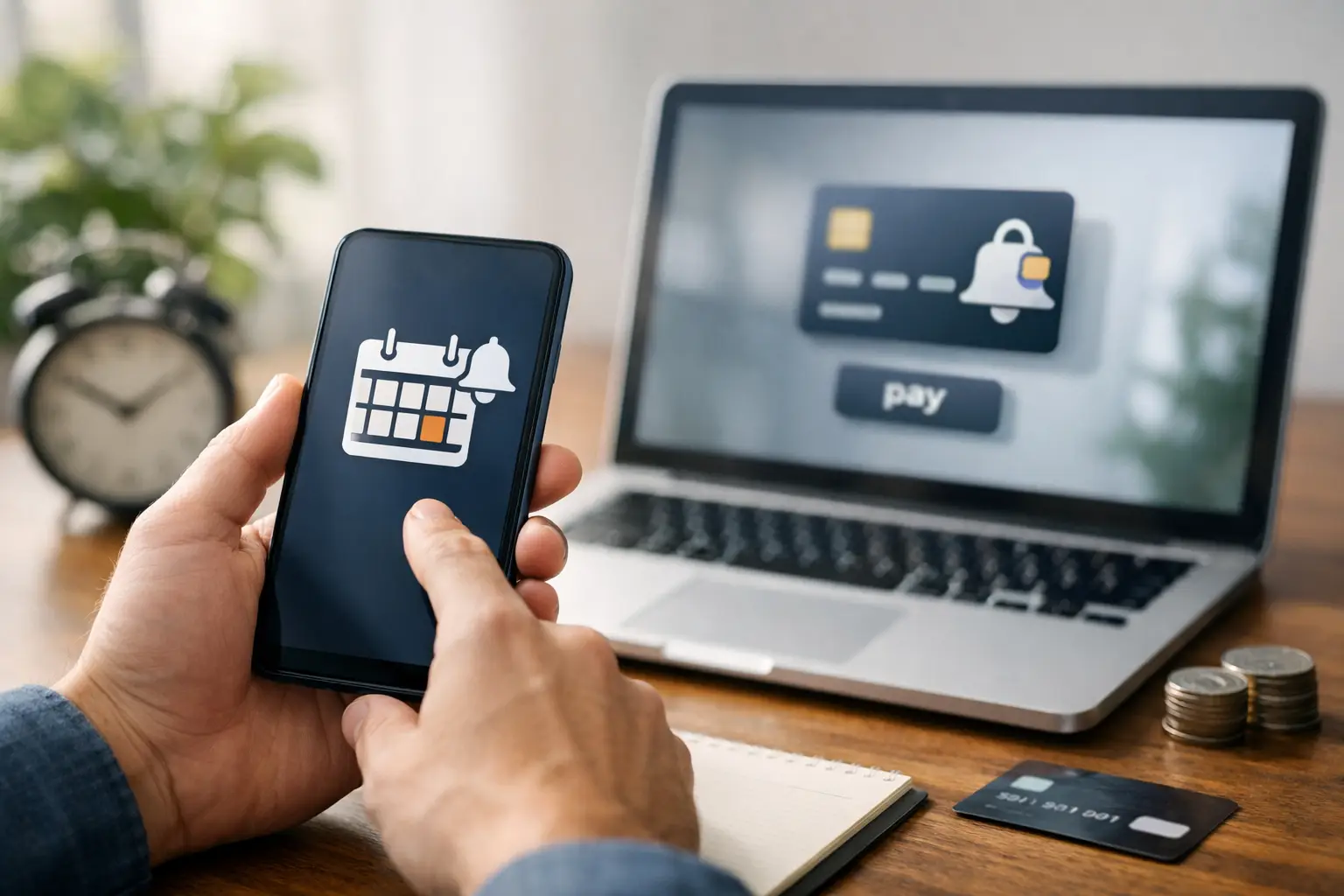
A subscription tracker is narrower, but that is exactly why it can be more useful for certain households. It focuses on recurring charges, renewal dates, payment timing, and reminders. Instead of asking, "Did I stay within my entertainment budget this month?" it asks, "What renews next week, what is due on the 15th, and what annual charge is coming up that I should not forget?"
That distinction makes each tool feel different in everyday life. Budgeting apps often require regular review and interpretation. You need to check trends, adjust categories, and decide what actions to take. A subscription tracker is more operational. It gives you visibility into what is coming and helps you avoid being caught off guard.
Neither approach is better across the board. It depends on whether your main problem is planning overall spending or keeping recurring payments organized.
When a budgeting app makes more sense
If you are trying to change spending habits, a budgeting app is often the better fit. Maybe you know you spend too much on takeout, or you want a clearer picture of how much goes toward household basics versus extras. In that case, category-based tracking gives you a wider view of your finances.
Budgeting apps are also useful when your questions are broad. How much did I spend this month? Where are the biggest leaks? Which categories keep running over? A subscription tracker will not answer those questions well because it is not designed to be a full picture of daily spending.
For some people, that broader picture is necessary. If your challenge is managing variable spending, not recurring obligations, a budgeting app gives you more context. It helps you make choices across your entire month, not just around bills and renewals.
The trade-off is that recurring charges can get buried in that wider view. A streaming service might show up under entertainment, a cloud storage plan under technology, and a yearly membership may only pop up when the charge hits. You can still see the expense, but you may not get the kind of forward-looking reminder that helps you decide before the charge happens.
When a subscription tracker is the better tool
If your main frustration is forgetting what renews when, a subscription tracker often feels more practical right away. It is built for people who do not want recurring payments living in email inboxes, calendar notes, sticky reminders, and memory.
This matters more than it sounds. Many recurring expenses are not expensive enough to trigger immediate concern, but they are frequent enough to create clutter. The issue is often not one dramatic payment. It is the mental load of trying to remember a dozen small and medium obligations across the month and year.
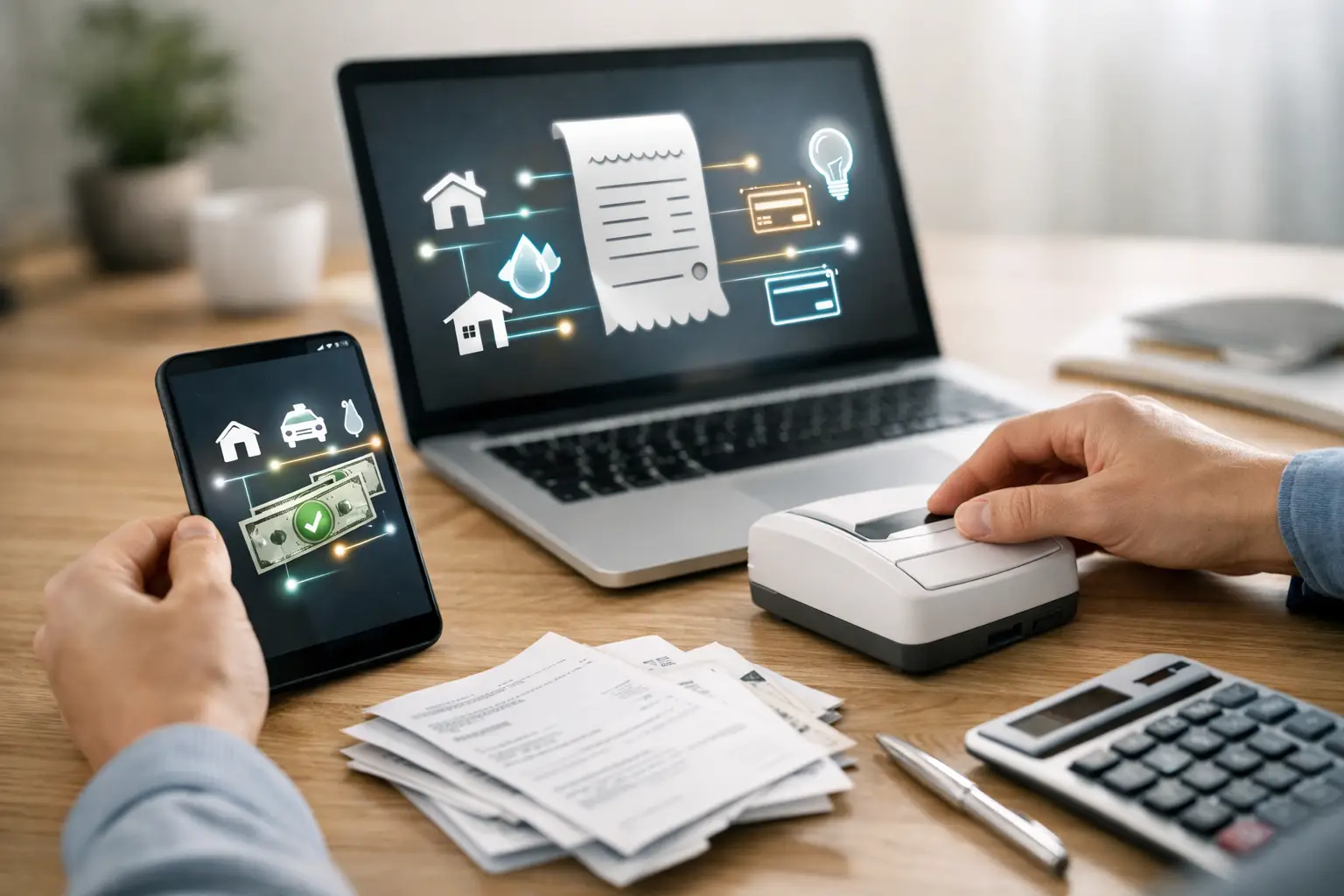
A subscription tracker gives those obligations a single place to live. You can see what is monthly, what is annual, what is due soon, and what may need review before renewal. That kind of visibility is especially helpful for households with several services, shared accounts, or a mix of bills and subscriptions that all recur on different schedules.
For iPhone users who want that kind of clarity without turning money management into a bigger project, ClearDue Tracker fits this use well. It is focused on bill tracking, subscription reminders, recurring due dates, and payment visibility, which makes it more aligned with organization than full-scale budgeting.
The real difference is focus, not features
People often compare tools by asking which one has more features. That can be the wrong question here. The better question is what kind of attention the tool is asking from you.
A budgeting app usually asks you to review, analyze, and adjust. It is useful when you want active involvement in spending choices. A subscription tracker asks you to record recurring obligations and stay ahead of them. It is useful when you want fewer surprises and a cleaner system for ongoing payments.
That is why some people try a budgeting app and still feel disorganized. The app may be doing its job well, but it may not be solving the actual source of stress. If you are missing renewal dates, forgetting annual subscriptions, or feeling unsure about what is due next, the issue is not necessarily your budget. It may be your tracking system.
On the other hand, a subscription tracker will not replace a budgeting app if your goal is to reduce overall spending across every category. It can help you spot recurring charges worth reviewing, but it is not meant to manage your entire financial life.
Subscription tracker versus budgeting app for busy households
Busy households usually do not struggle because they lack information. They struggle because information is scattered. One bill is saved in email, another is on autopay, a third is written on the family calendar, and a yearly renewal is sitting in a text reminder that no one will see again.
In that situation, a subscription tracker can be more immediately helpful than a budgeting app because it reduces fragmentation. It organizes the payments and renewals you need to remember, which is often the first step toward feeling more in control.
This is especially true for couples, parents, renters, and homeowners managing everyday responsibilities across a packed schedule. They may not need detailed category reports every week. They may need to know what is due, what is renewing, and what needs a decision before a charge repeats.
That said, households with tighter spending constraints may benefit from both approaches over time. A budgeting app can shape spending decisions, while a subscription tracker can keep recurring obligations visible. If choosing one first, the better choice is usually the tool that solves your current pain point fastest.
How to decide which one you actually need
Start with the problem that annoys you most.
If you regularly ask where your money went, a budgeting app is likely the better fit. If you regularly ask what is due next, what just renewed, or whether you forgot to cancel something, a subscription tracker is probably the more useful choice.
It also helps to notice your habits. Some people are comfortable reviewing numbers and categories every week. Others want a lighter system that quietly keeps recurring obligations organized in the background. Neither style is wrong. They just call for different tools.
There is also a timing issue. Budgeting tends to be reflective. You look at what happened and then adjust. Subscription tracking is often preventative. You look at what is coming and act before it becomes a surprise. If peace of mind matters more to you than detailed analysis, that preventative approach may feel more natural.
One more factor is effort. The best tool is not the one with the longest feature list. It is the one you will keep using. If a budgeting app feels like too much upkeep, you may stop checking it. If a subscription tracker gives you a simpler routine around due dates and renewals, that consistency can be more valuable than having extra tools you rarely open.
A good system should lower mental clutter, not add another layer to it. For many people, that is the clearest answer in the subscription tracker versus budgeting app question. Choose the tool that matches the kind of organization you actually need, not the one that sounds more comprehensive on paper.
When recurring payments are the thing slipping through the cracks, a simpler view can be the smarter one. The relief often comes from seeing everything that repeats, knowing what is coming next, and not having to rely on memory to keep life moving.