A $25 late fee usually doesn’t happen because someone forgot how bills work. It happens because the due date was buried in a text thread, split across paper mail and email, or stuck in your head until a busy week pushed it out. That is exactly why a late fee prevention guide matters - not as a finance lecture, but as a practical way to make everyday bill management easier.
Most people who get hit with late fees are not careless. They are juggling rent or mortgage payments, utilities, credit cards, subscriptions, school costs, and annual renewals across too many places. The fix is rarely willpower. The fix is a system that gives you visibility before a payment becomes urgent.
What actually causes late fees
Late fees usually come from friction, not from one big mistake. A bill might arrive in the mail while another comes by email. One account renews on the 1st, another on the 15th, and another changes dates depending on weekends or holidays. If autopay is turned on for some bills but not others, it gets even harder to know what still needs attention.
There is also a timing problem. Many people remember bills only when they are already due. That leaves no room for a paycheck delay, a card expiration, a bank balance check, or a simple oversight. A useful system creates a buffer. It gives you time to notice, adjust, and pay without rushing.
The best late fee prevention guide starts with visibility
If you want fewer late fees, start by getting every recurring bill and renewal into one clear view. That includes monthly bills, quarterly charges, annual memberships, and subscriptions that are easy to ignore until the charge posts.
This is where people often make things harder than they need to be. They create a spreadsheet, save screenshots, keep a few emails flagged, and hope memory fills in the gaps. That can work for a while, but it usually falls apart when life gets busy.
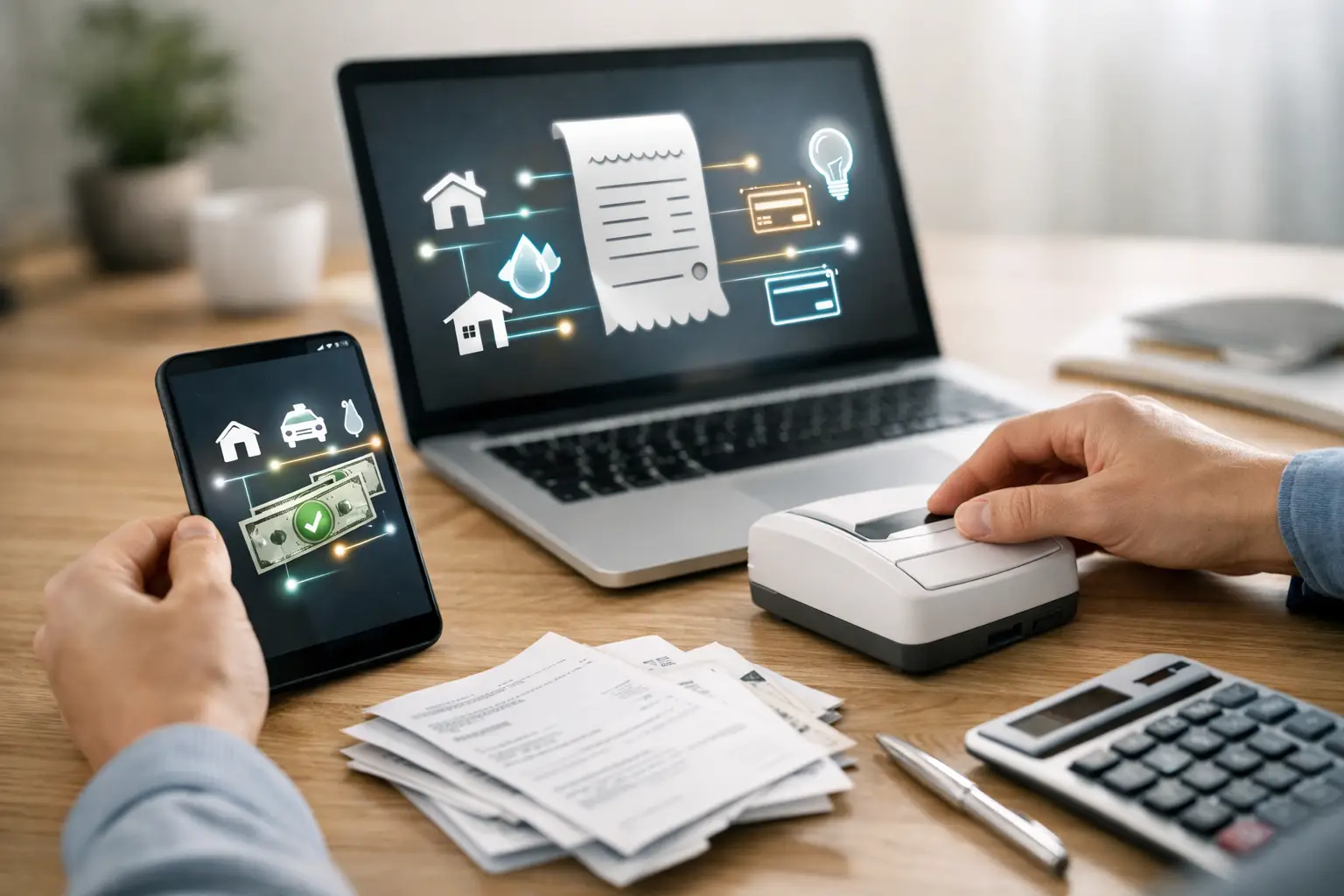
A better approach is to keep a single record of what is due, when it is due, how often it repeats, and whether you already paid it. For bill tracking and recurring payment reminders, this is the kind of everyday use case ClearDue Tracker is built for. The value is not complexity. It is being able to see your obligations in one place and stay ahead of them.
Build a system around due dates, not around memory
The most reliable bill routine is simple enough to maintain. You do not need a perfect financial setup. You need a repeatable process.
Start by listing every bill and recurring charge you expect in a normal year. Include utilities, rent or mortgage, phone service, internet, insurance premiums if applicable to your household routine, streaming subscriptions, memberships, and annual renewals. Then note the due date, the frequency, and the payment method you usually use.
This step matters because hidden bills create surprise late fees. An annual subscription can be just as disruptive as a monthly utility bill if no one remembers it is coming.
After that, separate your obligations into two groups: bills that must be paid manually and bills that are set to automatic payment. Both groups still need reminders. Manual payments need action reminders. Autopay bills need review reminders so you can confirm the charge goes through, the card on file still works, and the amount looks right.
That distinction is important. Autopay reduces effort, but it does not remove risk. A declined card, a changed account number, or an unexpectedly high charge can still create a late fee or service interruption.
Use reminders earlier than feels necessary
One of the most common mistakes is setting a reminder on the due date itself. That is not prevention. That is last-minute awareness.
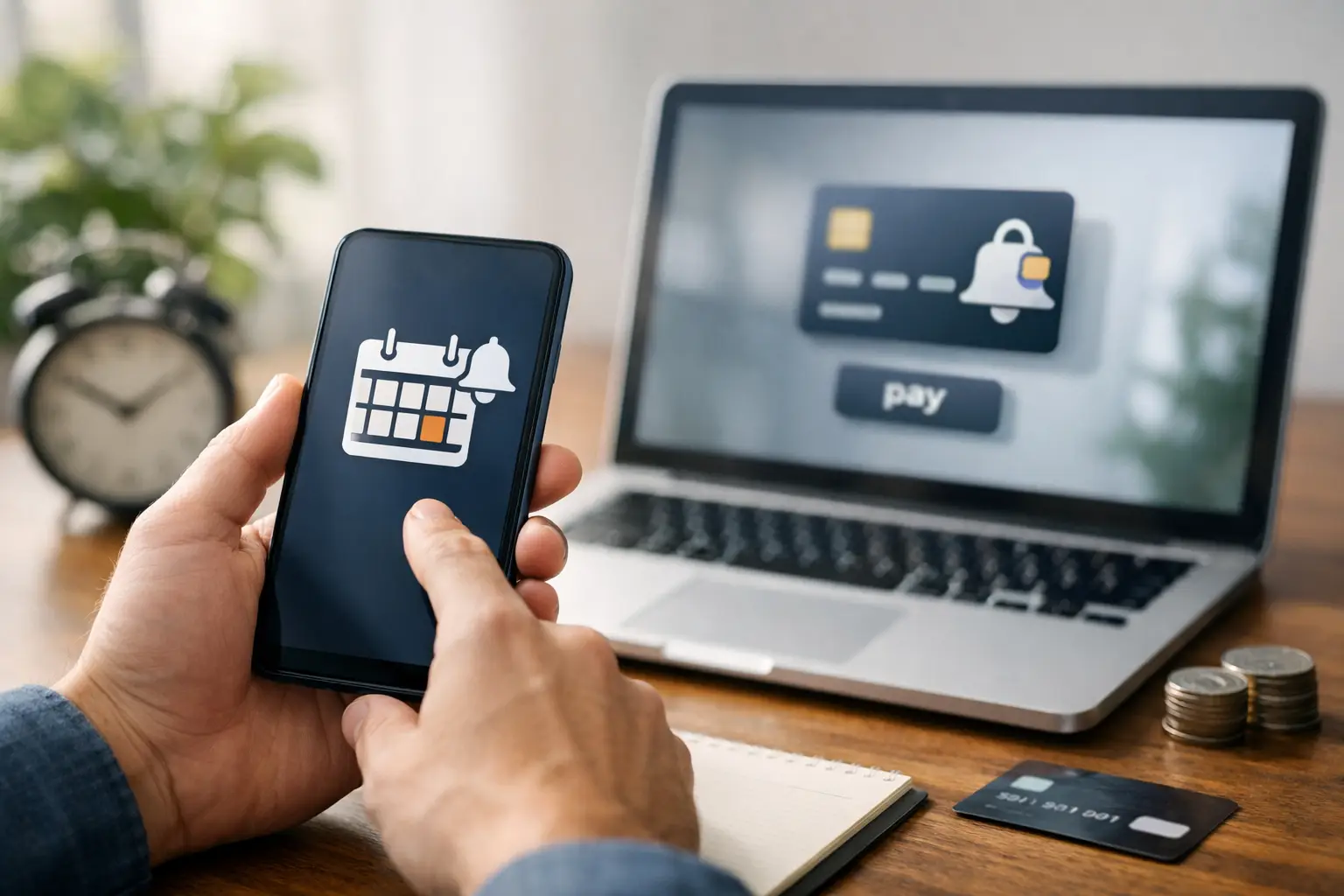
A better pattern is to set reminders in stages. One reminder a week before gives you time to plan. Another a few days before prompts you to act. For bills that are especially important, such as housing or utilities, a same-day reminder can still help as a final check.
The exact timing depends on your schedule. If you get paid on a predictable cycle, you may want reminders to line up with paydays. If your month is less predictable, earlier reminders are safer. The goal is not to create constant alerts. It is to create enough lead time that a due date never sneaks up on you.
Keep payment status as clear as the due date
Avoiding late fees is not only about knowing when a bill is due. It is also about knowing whether it was already handled. That sounds obvious, but this is where many households lose track.
If one person pays the electric bill and another assumes it is still pending, confusion builds fast. The same thing happens when you make a payment but do not mark it anywhere. A few days later, you are wondering whether you paid it or only meant to.
That is why payment visibility matters. Your system should let you quickly tell the difference between upcoming, completed, and overdue obligations. Even a simple habit of checking off paid bills can reduce repeat mistakes and duplicate stress.
Review recurring subscriptions like regular bills
Subscriptions deserve more attention than they usually get. They are smaller than rent or utilities, so they often escape notice. But they also tend to renew quietly, especially when attached to old email accounts or cards you rarely review.
A practical late fee prevention guide should include them because missed subscription renewals can still trigger fees, interruptions, or unnecessary charges. Treat them like any other recurring obligation. Track the renewal date, set a reminder before it hits, and review whether you still want the service.
This does two useful things. It helps you avoid accidental charges, and it makes your monthly obligations easier to predict.
Expect a few exceptions and plan for them
Not every bill behaves the same way. Some due dates shift. Some providers take time to process payments. Some accounts post a fee immediately while others give a short grace period. That is why a good system leaves room for exceptions instead of assuming every charge follows the same pattern.
If a provider offers a grace period, that can be helpful, but it should not be the plan. Grace periods are backup space, not a routine. Relying on them too often keeps you close to the edge, where one busy day or technical issue can still create a problem.
There is also a trade-off with autopay. For stable, predictable bills, it can reduce the chance of forgetting. For variable bills, some people prefer to review the amount before it is paid. Neither option is automatically better. It depends on how closely you want to monitor each charge and how consistent the amount tends to be.
A weekly check-in beats a monthly scramble
The simplest habit in this whole process is a short weekly review. It does not need to be a long budgeting session. It just needs to answer three questions: what is due soon, what has already been paid, and what needs attention before the next week starts.
That quick review helps catch card issues, billing changes, and forgotten renewals before they turn into fees. It also reduces the mental load of trying to remember everything at once. Instead of carrying every due date in your head, you trust a routine that keeps the information current.
For many households, this is the difference between feeling behind and feeling organized. The bills may not change, but the stress level does.
When more than one person handles bills
Shared households add one more layer. If bills are split between partners or family members, unclear responsibility can cause just as many late fees as forgetfulness. One person assumes the other handled it, and the due date passes.
The fix is not complicated, but it does need to be explicit. Decide who is responsible for each recurring bill, and keep that information somewhere visible. If responsibility changes from month to month, note that too. A system works better when it removes assumptions.
The goal is fewer surprises, not perfect behavior
A useful late fee prevention guide is really about reducing avoidable surprises. You are not trying to become a different person or run your household like an accounting department. You are trying to make sure bills, renewals, and recurring charges stop slipping through cracks created by busy days and scattered information.
When your due dates are visible, your reminders come early, and your payment status is easy to check, late fees become much less likely. The process feels lighter because you are no longer relying on memory to hold everything together.
A calm system does more than save a fee here and there. It gives you back a little attention, a little time, and a better sense of control over the responsibilities that keep showing up every month.