A subscription management apps review only becomes useful when it reflects real life. Most people are not trying to build a perfect financial system. They are trying to remember which trial is ending Friday, why a yearly charge just hit, and whether that second streaming plan is still worth paying for.
That is why the best subscription apps are not just dashboards. They help you see recurring charges clearly, remember renewal dates before they pass, and reduce the mental load that comes from keeping too many commitments in your head. If an app makes subscription tracking feel like another chore, it is missing the point.
What a subscription management apps review should actually measure
A lot of app reviews focus on features in isolation. For subscription management, that can be misleading. More settings do not always mean more control. For most iPhone users, the better question is whether the app makes recurring payments easier to understand and harder to forget.
The strongest apps usually do three things well. First, they give you a clean view of what you are paying for and when charges are expected. Second, they make reminders reliable enough that renewals do not sneak past you. Third, they keep setup and ongoing use simple enough that you will keep using the app after the first week.
That sounds obvious, but it is where many apps split apart. Some are strong on reporting but weak on day-to-day usefulness. Others are easy to open once, then become stale because the information is not easy to maintain. A good subscription app should help you stay current without demanding constant attention.
The most useful features in subscription management apps
When you compare apps in this category, visibility matters more than novelty. You should be able to glance at the app and understand your active subscriptions, upcoming renewals, payment frequency, and expected amounts.
Reminders are just as important. Not every subscription is a problem because of cost. Sometimes the real issue is timing. A free trial becomes a paid plan because no one remembered the cutoff date. An annual service renews because the notice arrived in an inbox nobody checked. Good reminder design fixes that by putting due dates where you will actually see them.
Flexibility also matters. Monthly charges are easy to remember because they repeat often. Annual and semiannual plans are harder. The better apps handle both without making unusual billing schedules feel awkward to enter or review.
There is also a practical difference between apps that are built for analysis and apps that are built for follow-through. Analysis can show you trends. Follow-through helps you act before a charge happens. For many households, follow-through is the more valuable function.
Where many subscription apps fall short
Some apps are too broad. They try to be an all-in-one money platform, and subscription tracking ends up buried inside larger budgeting or account-monitoring features. That works for some users, but it can also add complexity if your main goal is simply staying ahead of renewals.
Others make automation the center of the experience, which sounds appealing until the details are incomplete or confusing. If a recurring charge is labeled poorly, grouped incorrectly, or missed altogether, you can still end up doing manual cleanup. At that point, the app has not removed much friction.
Then there are apps that look polished but do not support everyday maintenance well. A subscription list is only helpful if it stays accurate. If editing dates, costs, or billing intervals feels tedious, people stop updating the app, and the system slowly loses value.
Subscription management apps review: what matters most for iPhone users
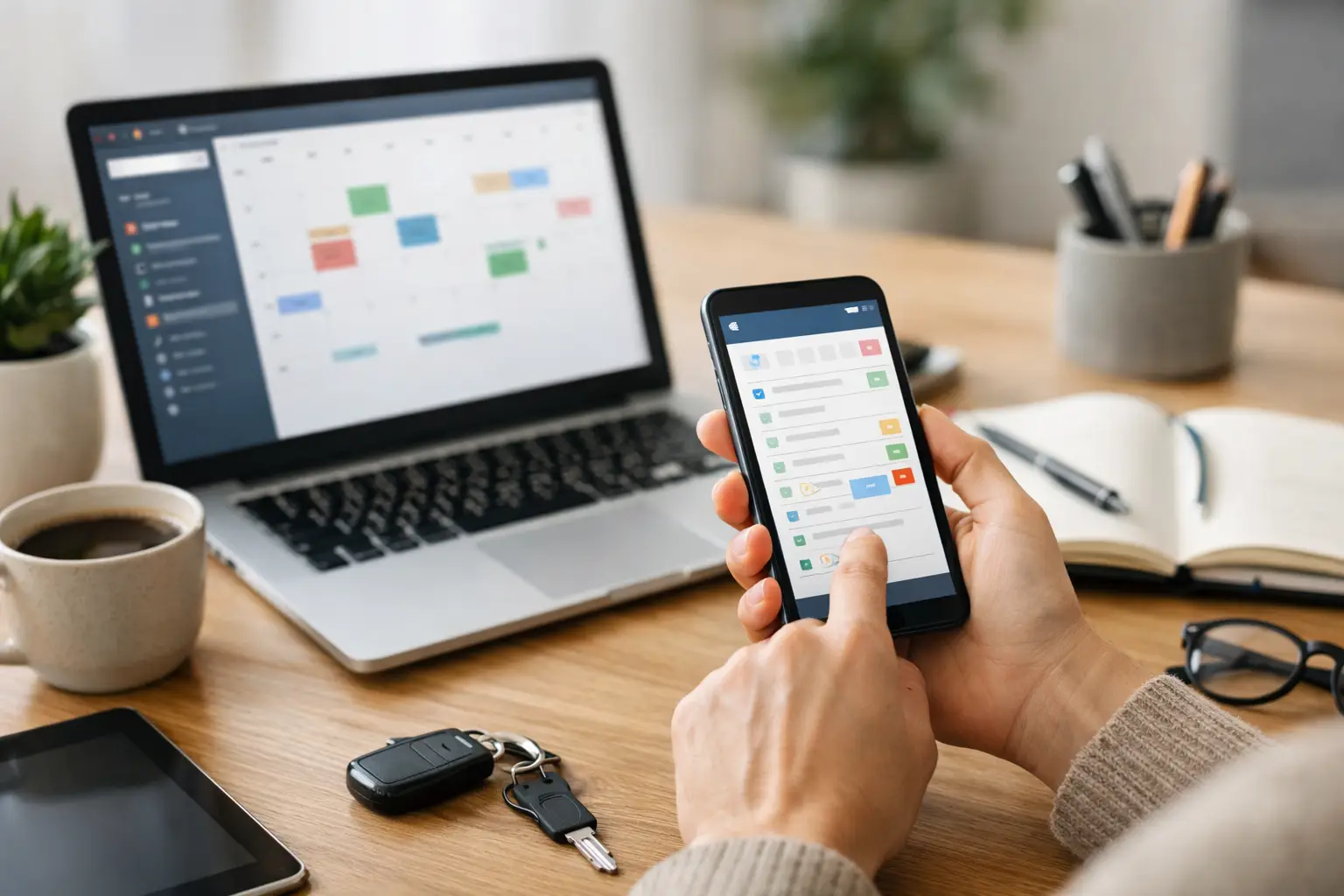
For iPhone users, the best experience is usually mobile-first, not desktop-first squeezed onto a smaller screen. Subscription tracking is often something you do in short moments - while checking an email receipt, reviewing a card statement, or remembering that a free trial is about to expire.
That means the app should feel fast and readable, with clear entry fields and obvious next steps. You should not need to hunt for where to add a renewal date or how to set a reminder. A mobile app earns its place when it helps in the exact moment you need it.
This is also where simpler tools can outperform bigger platforms. If the app is centered on recurring obligations rather than trying to cover every personal finance category, it often becomes easier to trust and easier to maintain. For many people, that is the difference between an app they admire and an app they actually use.
The case for reminder-first subscription tracking
A reminder-first app is not trying to impress you with everything it knows. It is trying to make sure you do not miss what matters. That approach fits subscription management especially well because recurring charges create stress in small, repeated ways.
You may not need advanced charts to decide whether to cancel a service. You usually need a clear record of the amount, the cadence, and the next renewal date. Once that information is visible, better decisions get easier.
This is where ClearDue Tracker fits naturally for iPhone users who want a straightforward way to stay on top of subscriptions, bills, and other recurring due dates. Instead of treating subscription tracking like a side feature inside a much broader system, it supports the practical job most people need done: keeping renewals visible, reminders reliable, and monthly or annual obligations easier to manage.
That kind of design is useful for busy adults, couples, and households that do not want another complex platform. It supports clarity. You can see what is coming up, reduce surprise renewals, and spend less time trying to remember which charge belongs to what.
How to compare apps without overcomplicating the decision
The easiest way to compare subscription apps is to start with your actual pain point. If your issue is overspending across many services, you may care most about visibility and totals. If your issue is forgotten trial endings or annual renewals, reminders should carry more weight. If your current system is scattered across notes, emails, and calendar entries, ease of use matters most of all.
It also helps to think about maintenance. Every subscription app depends on current information. Ask yourself whether the app makes it easy to update a price change, pause a service, or adjust a renewal date. A slightly simpler app that stays accurate is often better than a more ambitious one that becomes outdated.
There is no single best option for everyone because households manage subscriptions differently. Some want a broad financial overview. Others want a focused tool for recurring obligations. The right choice depends on whether you value analysis, automation, or clear reminders most.
Signs you need a better subscription system
If you are regularly surprised by renewals, you probably do not have a visibility problem alone. You likely have a timing problem. If you know your subscriptions exist but still miss cancellation windows or annual charges, your system is not giving you reminders early enough or clearly enough.
Another sign is duplicated effort. Maybe you check statements, save receipts, mark dates in a calendar, and still feel unsure about what is active. That kind of patchwork setup creates mental clutter because the information lives in too many places. A dedicated subscription app can help by turning scattered notes into one reliable view.
The goal is not to create a perfect financial command center. It is to make recurring obligations feel manageable. When an app does that well, it gives you fewer surprises and more confidence in the decisions you make.
What makes an app worth keeping
The best subscription app is usually the one you still trust three months from now. Not the one with the longest feature list, but the one that keeps your recurring charges visible and your reminders useful without asking for too much work in return.
That is what a strong subscription management app should deliver: less guessing, fewer missed renewals, and a calmer way to stay organized. If the app helps you remember what is due before it becomes a problem, it is doing the job that matters most.