How to Track Bill Payments Without Missing Due Dates
Missing a bill rarely happens because you do not care. It usually happens because the details are scattered, one due date in email, another on paper, a third buried in a bank app, and a fourth tied to autopay you forgot was running. If you want to know how to track bill payments in a way that actually holds up during a busy month, the answer is not more effort. It is a clearer system.
For most households, bill tracking works best when it is simple enough to keep using. You need one place to see what is due, when it is due, how it gets paid, and whether it has already cleared. Once that information lives in one routine instead of five different places, the stress drops fast.
That is one reason ClearDue Tracker is useful in daily life. It is built to help people organize bills, subscriptions, and recurring household responsibilities in one place. With 84,000+ built-in providers, it can also make setup faster, which matters when the hardest part of staying organized is often just getting started.
Why bill tracking breaks down so easily
Bills are repetitive, but the way they arrive is not. Rent may be due on the first, utilities may shift by a few days, insurance may renew quarterly, and subscriptions may charge on random dates based on when you first signed up. Add family schedules, travel, or a packed workweek, and it becomes easy to lose track.
Autopay helps in some cases, but it does not solve everything. It can prevent a missed due date, but it can also make people less aware of what is being charged and when. That matters if your balance runs low, a card expires, or a subscription price changes without much notice.
A good tracking system gives you visibility, not just automation. You want reminders before a bill is due, confirmation after it is paid, and a reliable record you can check when something looks off.
How to track bill payments with a system you will keep using
The best method starts with one basic rule: stop relying on memory. Even if you only manage a handful of bills, mental tracking usually fails when life gets busy. A dependable setup should let you see the full picture at a glance.
Start by gathering every recurring obligation in one place. That includes obvious monthly bills like rent, mortgage, electricity, internet, phone, and insurance, but it should also include streaming services, membership renewals, buy now pay later installments, annual subscriptions, and home-related expenses that come around less often. If money leaves your account on a schedule, it belongs in your tracking system.
For each bill, record the bill name, due date, expected amount, payment method, and whether it is manual or automatic. That one step makes a major difference because it separates what still needs action from what only needs monitoring.
After that, build a review habit around the dates. Some people prefer to check bills once a week. Others do better with a quick look every few days. The right choice depends on your schedule and how many accounts you manage. Weekly is usually enough for a smaller household. If your income timing is tight or your due dates are spread across the month, a more frequent check may feel safer.
What information matters most
Not every bill needs a complicated record. In most cases, five details are enough to stay organized.
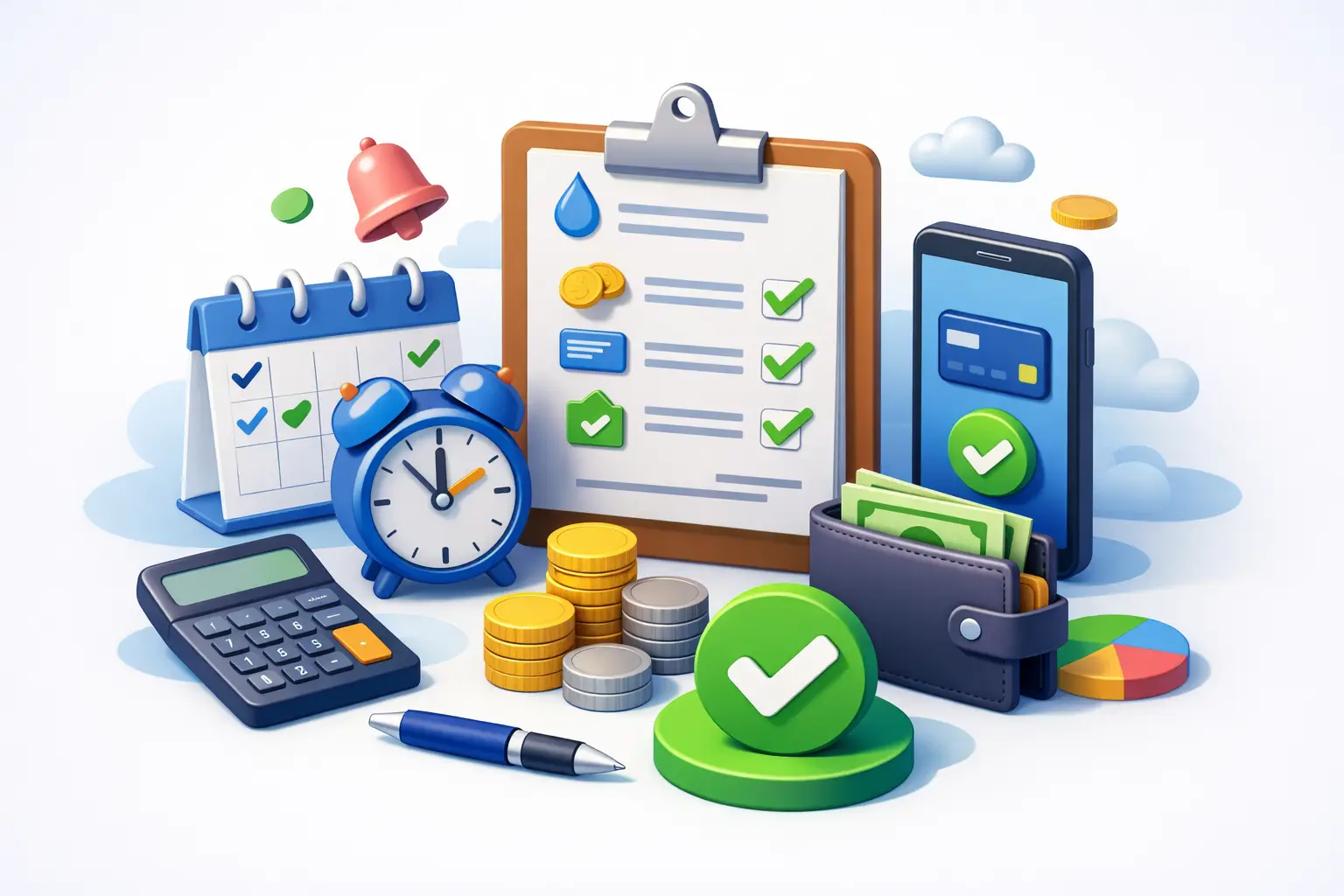
The first is the due date. This is the anchor for everything else. The second is the amount due, or at least the expected range if it varies. The third is the payment method, such as bank transfer, debit card, credit card, or autopay. The fourth is status, meaning due, scheduled, paid, or overdue. The fifth is confirmation, which can be as simple as noting the payment date.
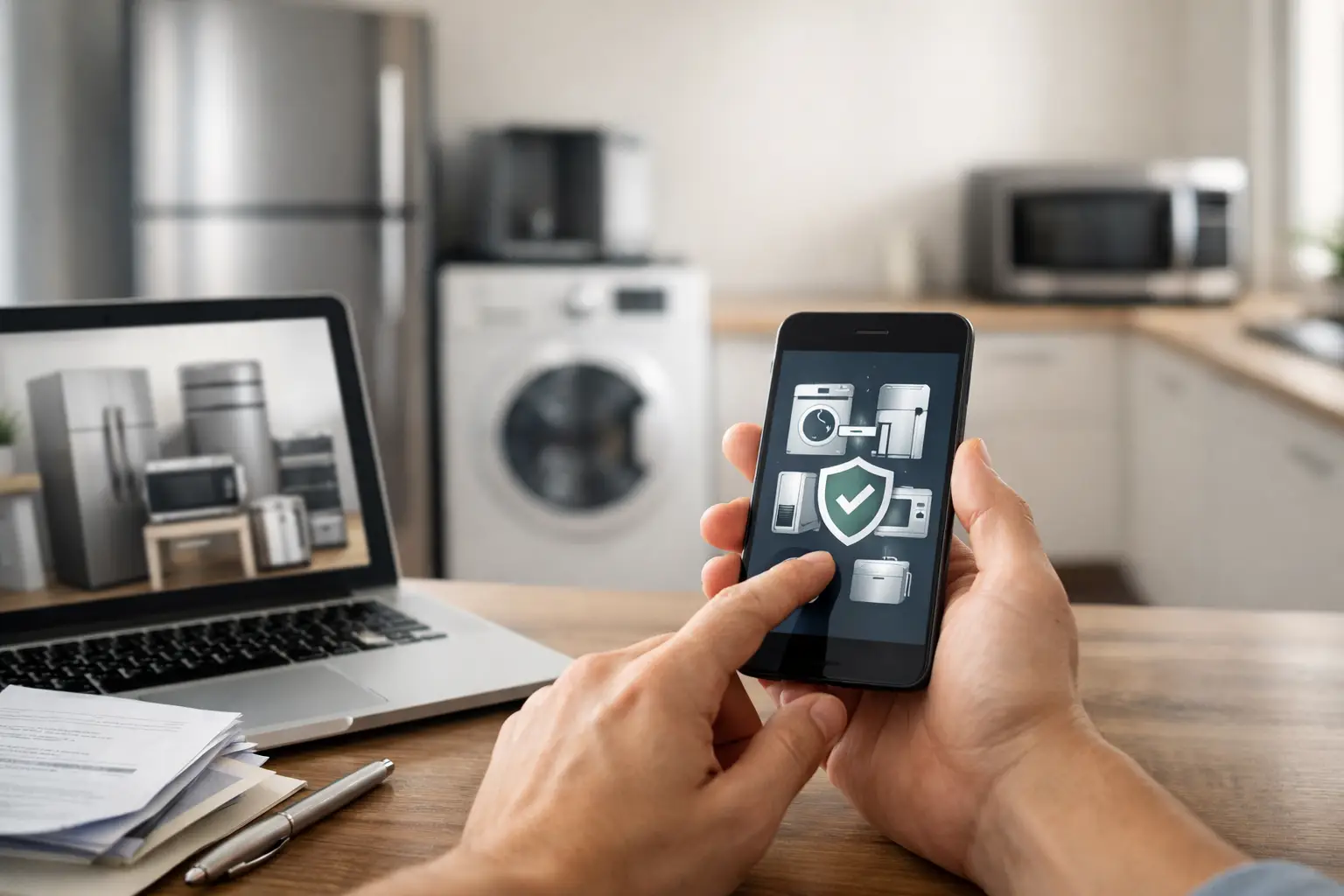
If you own a home or manage a family household, it also helps to note related records in the same system. A utility bill may connect to service account details. An appliance protection plan may relate to a warranty. A home maintenance reminder may help you prepare for seasonal service costs. When these responsibilities are organized together, you spend less time hunting for information across different apps and folders.
Manual tracking versus autopay
This is where trade-offs matter. Manual payments give you more control. You see every bill before the money leaves your account, which can help with budgeting and catching errors. The downside is obvious: if you forget, you may get hit with a late fee.
Autopay reduces the chance of forgetting, but it works best when paired with reminders. Otherwise, you may not notice a failed payment, a rate increase, or an outdated card until there is already a problem. Many people assume autopay means a bill no longer needs attention. In reality, it still needs oversight.
A practical middle ground is to automate stable bills and manually review variable ones. For example, rent, phone service, or insurance may be fine on autopay if the amount rarely changes. Utilities, credit cards, or subscriptions may deserve a reminder before the charge goes through so you can verify the amount first.
The easiest way to stay current every month
Consistency matters more than complexity. If your system takes too long, you will stop using it. That is why a mobile-first setup tends to work well for everyday bill tracking. You are more likely to update a bill when your phone is already in your hand than when the task depends on opening a spreadsheet later.
A useful routine might look like this: review upcoming bills at the start of the week, mark any payments already made, and check off anything that has cleared. Then do a second quick scan near the end of the week to catch anything new. This can take only a few minutes if everything is stored in one place.
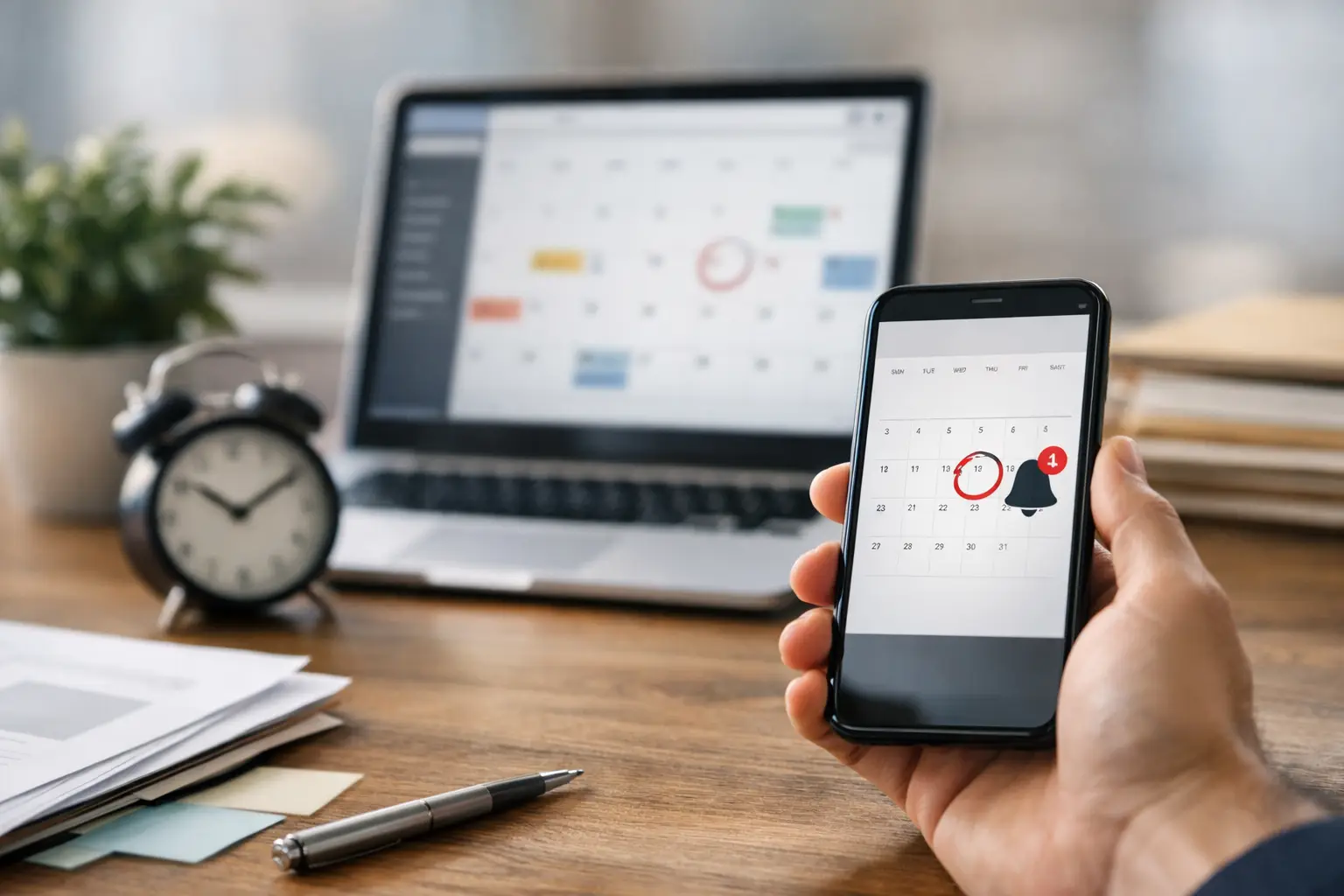
Reminders are especially valuable a few days before each due date instead of only on the due date itself. That gives you time to move money, update a payment method, or question a charge. A reminder on the due date is better than nothing, but an early reminder gives you options.
Common bill tracking mistakes
One common mistake is tracking only major bills and ignoring the smaller recurring charges. A few low-cost subscriptions may not feel urgent, but they still affect your monthly cash flow. They also tend to be the easiest charges to forget.
Another mistake is failing to mark bills as paid. Seeing a reminder is helpful, but if you do not update the status after payment, your system becomes less trustworthy. Over time, that creates doubt. You should be able to open your tracker and know immediately what still needs attention.
A third mistake is separating household tasks too much. Bills, renewals, warranties, service schedules, and subscription records often overlap in real life. If your water heater service plan renews annually and the warranty paperwork is stored somewhere else, that is extra friction. A more connected household system saves time because related information stays together.
When life gets busy, simplify further
If you have fallen behind before, the answer is usually not a more detailed spreadsheet. It is often a smaller number of steps. Use one tracking method, not three. Set reminders at predictable intervals. Keep your status labels simple. Review bills on the same day each week.
This is also where an app built around household organization can be more practical than a banking tool alone. Banking apps show transactions, but they do not always give you a complete reminder system for recurring obligations, subscriptions, home records, and due dates that live outside your checking account. A dedicated organizer like ClearDue Tracker can help centralize those moving parts so you are not piecing them together manually.
A simple monthly reset that keeps everything accurate
At the end of each month, take a few minutes to review what changed. Did a bill amount increase? Did a new subscription start? Did an annual renewal get added? This quick reset keeps your tracker accurate, which is what makes it useful.
It also helps you spot patterns. Maybe a bill keeps landing before payday and needs closer attention. Maybe a renewal no longer makes sense. Maybe a home-related expense should be planned for earlier next season. Bill tracking is not only about avoiding late fees. It also gives you a cleaner view of how your household runs.
The most effective bill tracking system is the one that feels easy enough to trust. When due dates, reminders, payment status, and household records are organized in one place, you spend less energy reacting and more time feeling in control. For people looking for a practical way to manage recurring obligations on iPhone, ClearDue Tracker offers a simple, organization-first approach with support for bills, subscriptions, and household records, plus 84,000+ built-in providers to help users get set up faster.