A late payment usually doesn’t happen because someone is careless. It happens because the bill was in one app, the reminder was in another, the email got buried, and the due date lived somewhere in the back of your mind until it was too late. If you want to avoid late payments, the real fix is not trying harder to remember. It’s creating a system that doesn’t depend on memory at all.
That matters more than most people admit. Monthly bills, annual renewals, subscriptions, and one-off charges all arrive on different schedules. Some come by email, some through provider portals, some on paper, and some only show up when your card gets charged. The problem is not always the payment itself. The problem is scattered information.
Why late payments happen even to organized people
Plenty of responsible adults still miss a due date now and then. Life gets full. A utility bill lands during a busy work week. A subscription renews on a date you never chose. A household expense changes amount, so the old mental note no longer helps. Even people who are generally organized can lose track when recurring obligations live in too many places.
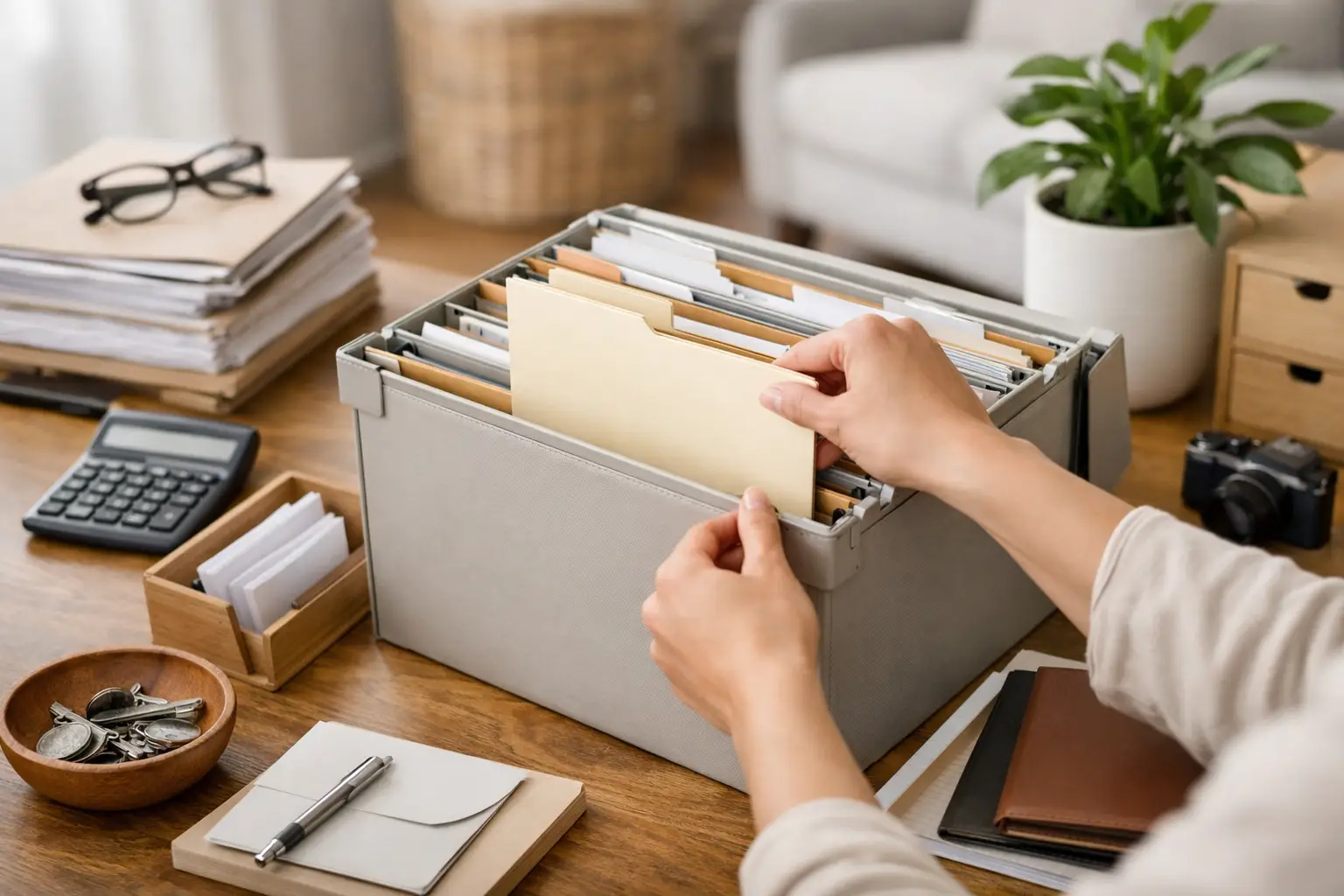
There’s also a difference between knowing a bill exists and seeing it at the right time. A calendar reminder without the bill details may not be enough. An email confirmation isn’t helpful if you can’t find it later. A stack of paper statements on the counter can create the feeling of being aware without giving you a clear view of what is actually due next.
That’s why the best way to avoid late payments is to reduce friction. When due dates, bill names, recurring timing, and reminders are easy to see in one place, paying on time becomes much more manageable.
How to avoid late payments with a simpler system
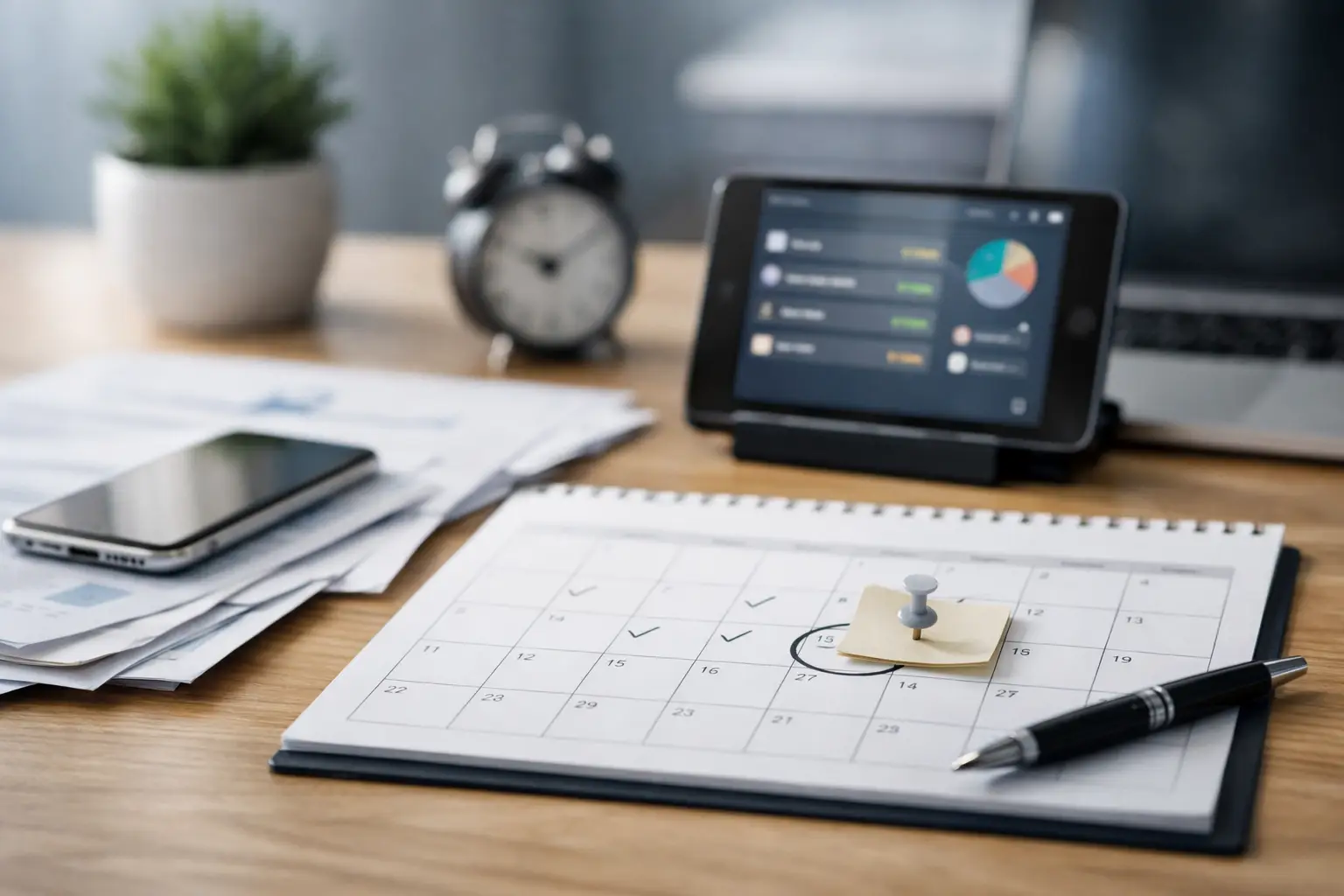
A good system does three things well. It shows you what is due, tells you when it is coming, and makes it easy to review before the deadline passes. If one of those pieces is missing, things start slipping.
Start by gathering every recurring payment you’re responsible for. Think beyond the obvious monthly bills. Include streaming services, annual memberships, cloud storage plans, school-related fees, subscriptions billed quarterly, and anything else that renews on a schedule. Many late fees happen because people only track the big bills and forget the smaller recurring charges.
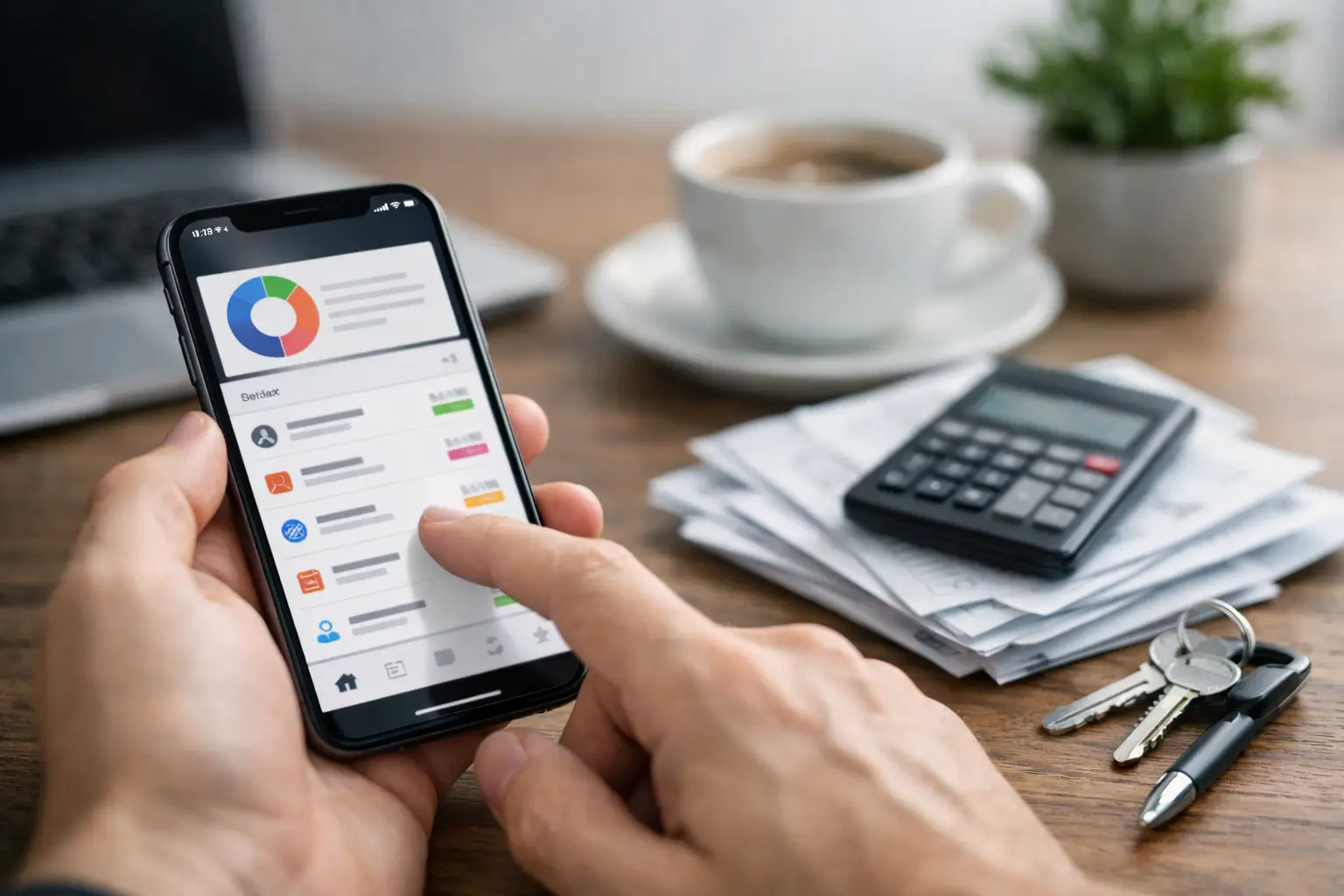
Next, give each item a clear home. This is where a dedicated bill tracking setup helps more than a mix of notes, inbox flags, and memory. ClearDue Tracker fits naturally here because it’s built around recurring due dates, payment visibility, and reminders for everyday obligations. Instead of piecing together your system from disconnected tools, you can keep the dates and recurring schedule organized in one place.
That doesn’t mean every bill needs the exact same reminder pattern. Some people want a notice a week ahead for larger bills and one day ahead for smaller recurring charges. Others prefer a routine where they review all upcoming payments at the same time each week. The right setup depends on how you already manage your money and your household schedule. What matters is consistency.
Build around your real life, not an ideal routine
One reason payment systems fail is that they’re built for a perfect month. Real life is less tidy than that. Travel, family schedules, work deadlines, and simple mental fatigue all get in the way. If your system only works when you have time to check three different places and remember what still needs attention, it’s too fragile.
A stronger approach is to tie bill review to something you already do. Maybe you check upcoming expenses every Sunday night. Maybe you review due dates right after payday. Maybe you and your partner look over household obligations together once a week. The routine can be simple, but it should be repeatable.
This is also where visibility matters. Seeing what is coming up over the next few days and weeks gives you a chance to act before a due date becomes urgent. It replaces the last-minute scramble with a steadier rhythm. For many households, that shift alone lowers stress.
Use reminders well, not just often
More reminders are not always better. If your phone is already full of alerts, another one may not help much. The goal is not to create constant notifications. The goal is to create timely, useful reminders that connect to a clear list of obligations.
For example, a reminder that says “bill due soon” is vague. A reminder tied to a specific bill and due date is far more useful. It gives context right away and reduces the mental work of figuring out what needs attention.
It’s also smart to set reminders based on the kind of payment. Rent, utilities, credit card bills, and annual renewals don’t all need the same lead time. A larger or less frequent charge usually deserves earlier notice. A smaller monthly charge may only need a short reminder window. If you’re trying to avoid late payments, this kind of tailoring works better than treating every obligation the same way.
Don’t let autopay become a blind spot
Autopay can help, but it’s not a complete system by itself. It reduces the chance of missing some payments, but it can also create a false sense of security. Cards expire. Account balances change. Providers increase rates. Annual renewals arrive after you’ve forgotten they exist.
That’s why even autopay bills should stay visible in your tracking system. You still want to know what is scheduled, when it’s happening, and whether it still belongs in your household spending. Visibility helps you catch surprises before they become frustrating charges.
This is especially useful for subscriptions and annual services. They often go unnoticed because there’s no monthly action required. Then the renewal hits, and it feels like an unexpected expense. Keeping those recurring dates in view makes them easier to review on your terms.
One overlooked problem: payment details are often incomplete
Sometimes the missed payment isn’t caused by forgetting the date. Sometimes it happens because the details are harder to find than they should be. Maybe the provider changed portals. Maybe the account number is buried in an email. Maybe the statement went paperless and nobody noticed.
When people talk about how to avoid late payments, they often focus only on reminders. But reminders work best when the supporting information is easy to access. If it takes too long to figure out what you owe, where to pay, or whether the charge already cleared, a simple task can turn into a delay.
That’s one reason organized bill tracking is so useful. It shortens the distance between noticing a due date and taking action. Instead of hunting through inboxes or trying to remember where that account lives, you already have a clearer view of the obligation.
Households need shared clarity
For couples and families, late payments can happen because everyone assumes someone else has it covered. That’s not a communication failure so much as a visibility problem. If one person usually handles utilities and the other manages subscriptions or school-related expenses, there still needs to be a simple way to keep the overall picture clear.
This doesn’t require a complicated setup. It just requires a shared understanding of what exists and when it comes due. Even if one person remains the primary bill manager, the household runs more smoothly when obligations are easier to review and less dependent on one person’s memory.
This is where calmer systems beat heroic effort. The goal is not to become a human reminder machine. The goal is to make recurring responsibilities easy to see, easy to revisit, and harder to miss.
What works long term
The most reliable way to avoid late payments is usually the least dramatic one. Keep all recurring bills and renewals in one organized place. Set reminders that match the importance and timing of each charge. Review upcoming due dates on a regular schedule. Keep autopay items visible instead of forgetting about them. And make sure the information you need is easy to find when it’s time to act.
There’s no perfect method for every person. Some people need earlier reminders because their schedule changes constantly. Others do fine with a simple weekly review. It depends on how many obligations you manage, how often dates change, and whether you’re keeping track only for yourself or for a whole household.
What tends to help everyone is less scattered information and fewer loose ends. When your bills, subscriptions, and due dates stop living across inboxes, paper piles, and mental notes, staying on top of them feels less like a chore and more like a routine you can trust.
A good system won’t make life completely predictable, but it can make your obligations much easier to see before they turn into one more thing to fix.